
YK-3160 vs. Generic Electrical Rubber: Head-to-Head Material Analysis for Insulators
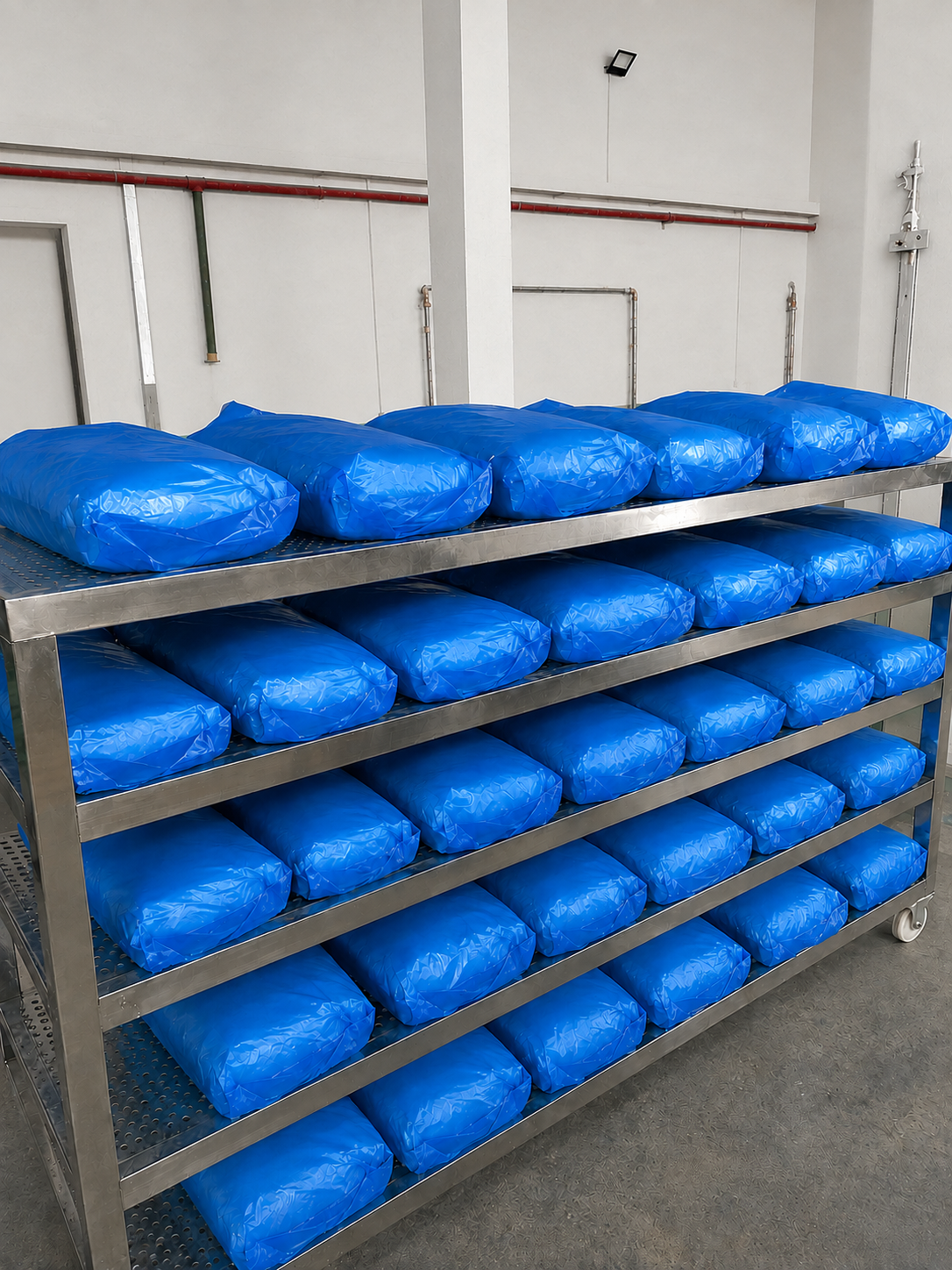
A head-to-head comparison between the YK-3160 electrical insulation grade and a generic, unspecified electrical rubber ends at the same point every time: one material publishes testable electrical values, and the other publishes a label. YK-3160 is the high-consistency HTV silicone rubber compound that Yakows Technology (Dongguan) Co., Ltd. supplies for composite insulator moulding. Its declared profile includes tracking and erosion resistance of TM1A4.5 with erosion of 2.5 mm or less, UV aging resistance rated Pass, dielectric strength of at least 22 kV/mm, and a V-0 flame-retardant rating. A compound sold only as 'electrical grade' typically declares none of these four values.
At the evaluation stage, that gap matters more than price or polymer family. Insulator manufacturers qualify a material by comparing declared properties against project requirements, then confirming those properties on incoming batches. Where nothing is declared, nothing can be compared, and acceptance criteria collapse into appearance and hardness checks. This analysis sets out the documented YK-3160 profile, a six-step comparison protocol, a dimension-by-dimension comparison table, and the documentation any buyer should demand from an HTV silicone rubber supplier.
Problem Definition: Why 'Electrical Grade' Is Not a Specification
'Electrical grade' describes intended use. It does not describe measured behaviour. Two compounds can carry the same label while differing in the properties that decide whether an insulator housing or shed survives outdoor service.
Tracking and erosion. Under wet and contaminated conditions, leakage current concentrates on the insulator surface. Compounds that are not formulated and tested for this stress can develop conductive tracks and lose material at the surface. The relevant declaration is a tracking and erosion class together with an erosion depth limit, not a general statement that the material is suitable for electrical use.
UV aging and hydrophobicity. Sunlight, heat and pollution attack the polymer surface. Hydrophobicity — the water-repellent behaviour that keeps water in droplets rather than continuous films — can recover or decay depending on formulation quality. A UV aging result and a hydrophobicity classification are the two disclosures that make this behaviour comparable between suppliers.
Dielectric margin. Dielectric strength, dielectric constant, volume resistivity and dielectric loss tangent define how much electrical headroom a compound provides in a moulded part. Without declared values, a buyer cannot tell whether a compound sits comfortably inside the design margin or marginally inside it.
The procurement consequence. When a supplier provides only a material label, the buyer has no numeric basis for an acceptance criterion. Testing then depends on the buyer's own laboratory, and first-article approval becomes an inspection of supplier intent rather than supplier evidence. This is the difference the YK-3160 data sheet is designed to close.
Industry Background: More Silicone Supply, Wider Spread in Documentation
The global silicone rubber market was valued at USD 5.7 billion in 2025, with HTV silicone rubber holding a dominant 45.2% share, according to Vertex AI Search data. Within the HTV segment itself, solid HTV silicone rubber accounted for 58.3% of the market in 2025 (Dataintelo). Liquid silicone rubber took 48.1% of the broader silicone elastomers market in 2025 and is primarily used for precision medical and automotive parts — a different processing route from the HCR/HTV compounds conventionally moulded into high-voltage insulator housings.
Supply has expanded quickly. China's silicone monomer production capacity reached 6.89 million tons in 2024, a 21.09% year-on-year increase (Zhuochuang Information via IOTA). More capacity makes sourcing easier; it also widens the spread of compound and documentation quality sitting behind the same nominal label.
Standards supply the common language for comparison. Composite polymer silicone rubber tension insulators must adhere to IEC 61109 for safety and environmental performance. Aging behaviour in this product family is conventionally assessed through accelerated aging regimes under IEC 61109 and IEC 62217, with published programs running to 5,000 hours. A standards reference tells a buyer which test was run. It does not tell the buyer what result a specific compound achieved — only the compound's own declared data does that.
Detailed Solution: The Documented YK-3160 Compound Profile
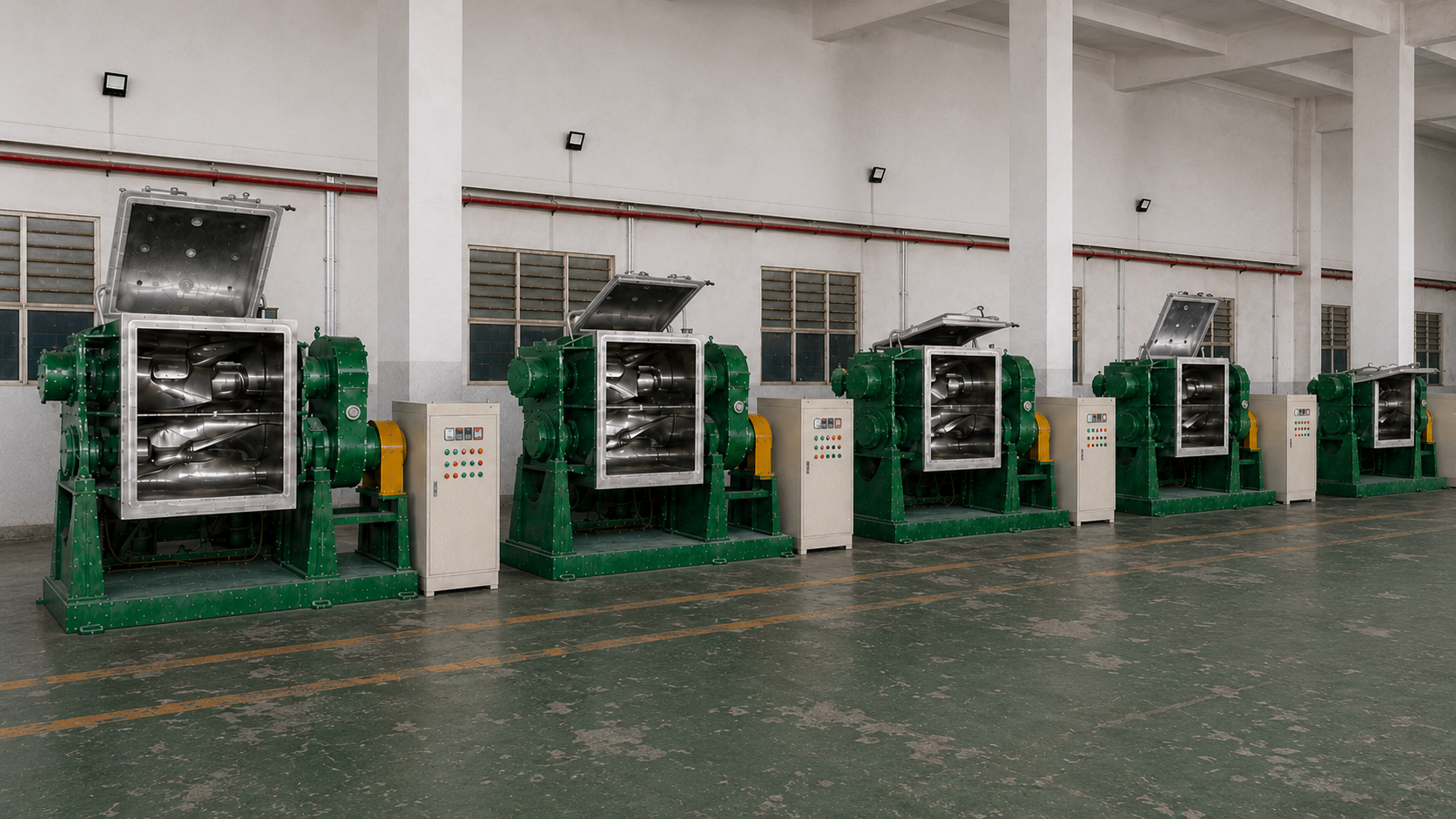
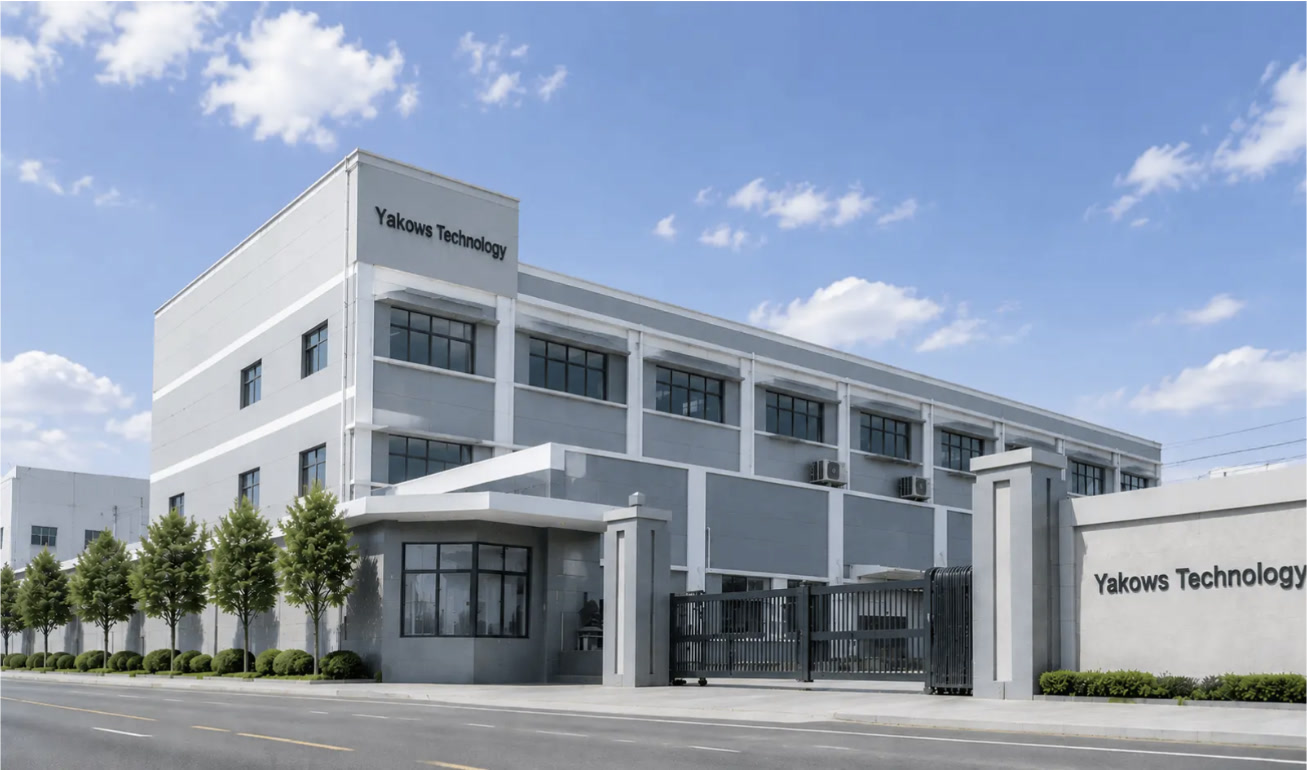
Yakows Technology (Dongguan) Co., Ltd. is a manufacturer specialising in high-performance HTV/HCR silicone rubber compounds and customised silicone material solutions. The company was established in 2020 and operates a 5,000 m² manufacturing facility in Dongguan, Guangdong Province, China, supported by a technical department of more than 10 engineers and technicians and a stated monthly capacity of 400,000–1,000,000 kg. Approximately 70% of output is supplied to overseas customers in Southeast Asia, the Middle East, Eastern Europe and Latin America, and its quality management system is certified to ISO 9001.
YK-3160 is the company's electrical insulation grade: a high-consistency silicone rubber (HTV/HCR) compound formulated with reinforcing fillers and functional additives for outdoor electrical insulation. It is intended for electric power transmission and distribution, composite insulator manufacturing, surge arresters and outdoor high-voltage insulation components. The declared values are shown below.
| Declared property | YK-3160 value |
|---|---|
| Hardness | 65 ± 5 Shore A |
| Specific gravity | 1.46 ± 0.03 g/cm³ |
| Tensile strength | ≥5.0 MPa |
| Elongation | ≥220% |
| Tear strength | ≥12 kN/m |
| Hydrophobicity | HC2 |
| Flame-retardant rating | V-0 |
| Dielectric strength | ≥22 kV/mm |
| Dielectric constant | ≤5.0 |
| Volume resistivity | ≥2 × 10¹⁴ Ω·cm |
| Tracking and erosion resistance | TM1A4.5, ≤2.5 mm |
| Dielectric loss tangent | ≤4.0 × 10⁻² |
| UV aging resistance | Pass |
Four values carry most of the decision weight for insulator work. The tracking and erosion result — TM1A4.5 with erosion of 2.5 mm or less — is a class plus a depth limit, so it can be copied directly into a specification. The UV aging result of Pass addresses the outdoor exposure path. Dielectric strength of at least 22 kV/mm, combined with volume resistivity of at least 2 × 10¹⁴ Ω·cm and a dielectric constant no higher than 5.0, provides the electrical margin a moulded housing needs. The mechanical set — tensile strength of at least 5.0 MPa, elongation of at least 220%, tear strength of at least 12 kN/m and hardness of 65 ± 5 Shore A — supports demoulding and handling without sacrificing the fumed-silica reinforcement that gives the compound its strength. A V-0 flame-retardant rating and HC2 hydrophobicity complete the profile.
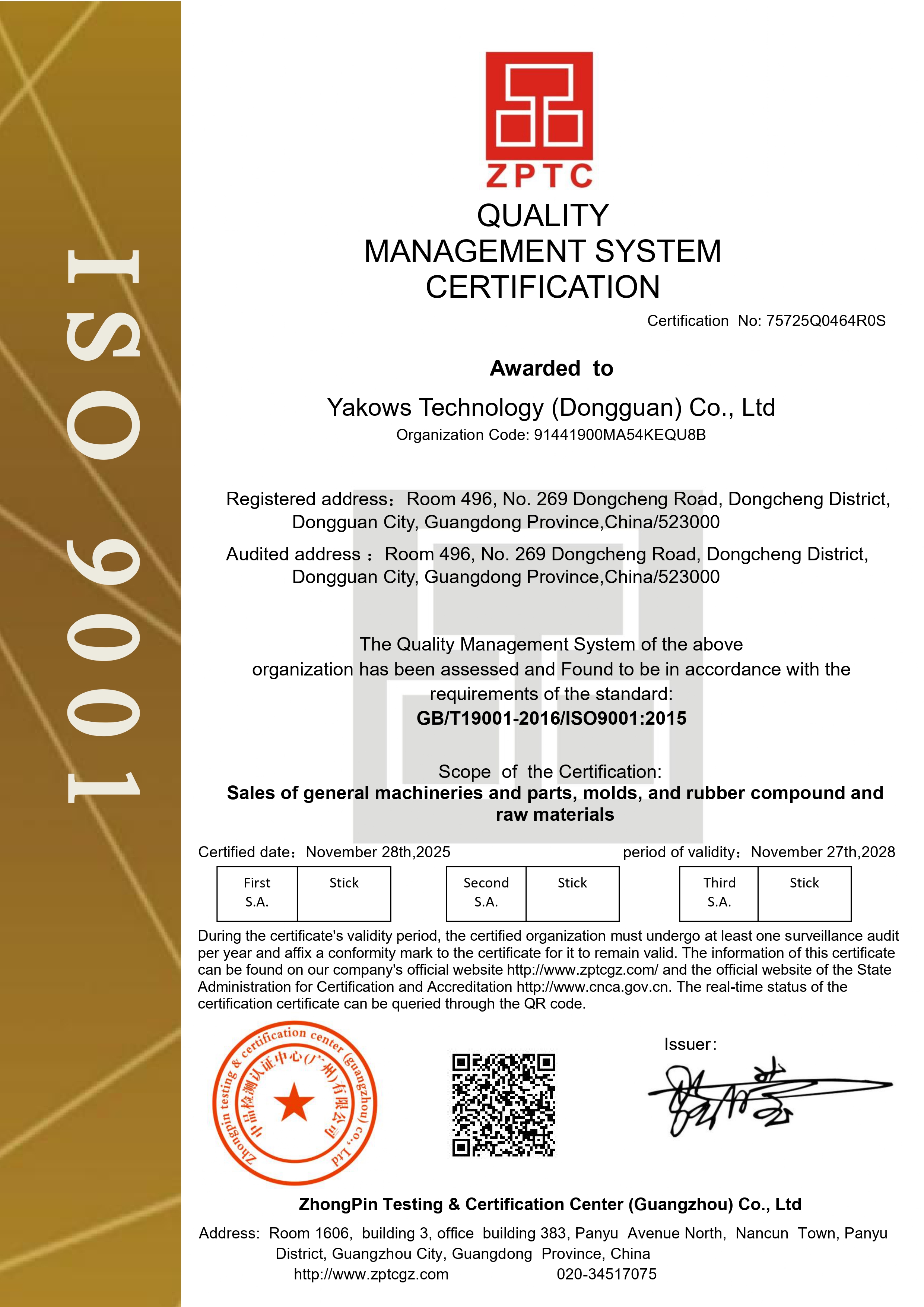
Equally important is how those values are maintained. Each production batch is inspected for appearance, Shore A hardness, density, tensile strength, elongation, tear strength and applicable electrical properties, and a batch Certificate of Analysis can be provided before shipment. The quality management system behind this routine is certified to ISO 9001 under certificate number 75725Q0464R0S, issued by ZhongPin Testing & Certification Center (Guangzhou) Co., Ltd. against GB/T19001-2016/ISO9001:2015, valid from 28 November 2025 to 27 November 2028, with a scope covering the sales of general machineries and parts, molds, and rubber compound and raw materials.
Step-by-Step Breakdown: Running a Head-to-Head Material Analysis
Step 1 — Write the parameter list before requesting quotations. List every electrical and mechanical property the insulator design requires. A parameter list turns a supplier conversation from a discussion about brands into a comparison of numbers.
Step 2 — Attach each parameter to a standard. Reference the IEC 61109 requirement for the finished insulator and the IEC 61109 / IEC 62217 accelerated aging regime, under which published programs run to 5,000 hours. Standards define the test; suppliers must then declare the result.
Step 3 — Ask for the tracking and erosion declaration, including the erosion depth. A class alone is incomplete. YK-3160 declares TM1A4.5 together with erosion of 2.5 mm or less, which makes the value usable as a purchase specification line.
Step 4 — Ask for UV aging and hydrophobicity statements. For YK-3160 these are Pass and HC2 respectively. Without both, outdoor exposure behaviour cannot be compared between two candidate compounds.
Step 5 — Fix the batch-level acceptance rule. Batch inspection for appearance, Shore A hardness, density, tensile strength, elongation, tear strength and applicable electrical properties, with a Certificate of Analysis before shipment, converts a data sheet into a repeatable supply commitment.
Step 6 — Validate with a trial quantity before volume commitment. Standard grades are quoted at a lead time of 3–7 working days; customised grades are quoted at 10–20 working days after sample approval. Trial quantities can be discussed for product qualification, which lets an insulator manufacturer confirm processing behaviour on its own equipment before committing to volume.
Use Cases: Where the Declared Difference Shows Up
Composite insulator housings and sheds for high-voltage transmission and distribution are the primary application. Here the tracking and erosion class, the UV aging result and the hydrophobicity grade are read directly against project requirements, and the moulding compound must also release cleanly and hold dimensional stability during cure.
Surge arresters and outdoor high-voltage insulation components use the same electrical logic: dielectric strength, volume resistivity and loss tangent determine the margin available inside the moulded housing, while V-0 flame retardancy and heat resistance support housing integrity under fault and thermal stress.
Adjacent applications use the same compounding platform with different formulations. Yakows supplies HTV silicone rubber for cable accessories, automotive components and general industrial parts, where high tear strength, heat resistance and extrusion behaviour are the leading requirements rather than tracking and erosion class.
Case evidence: a Vietnamese composite insulator manufacturer
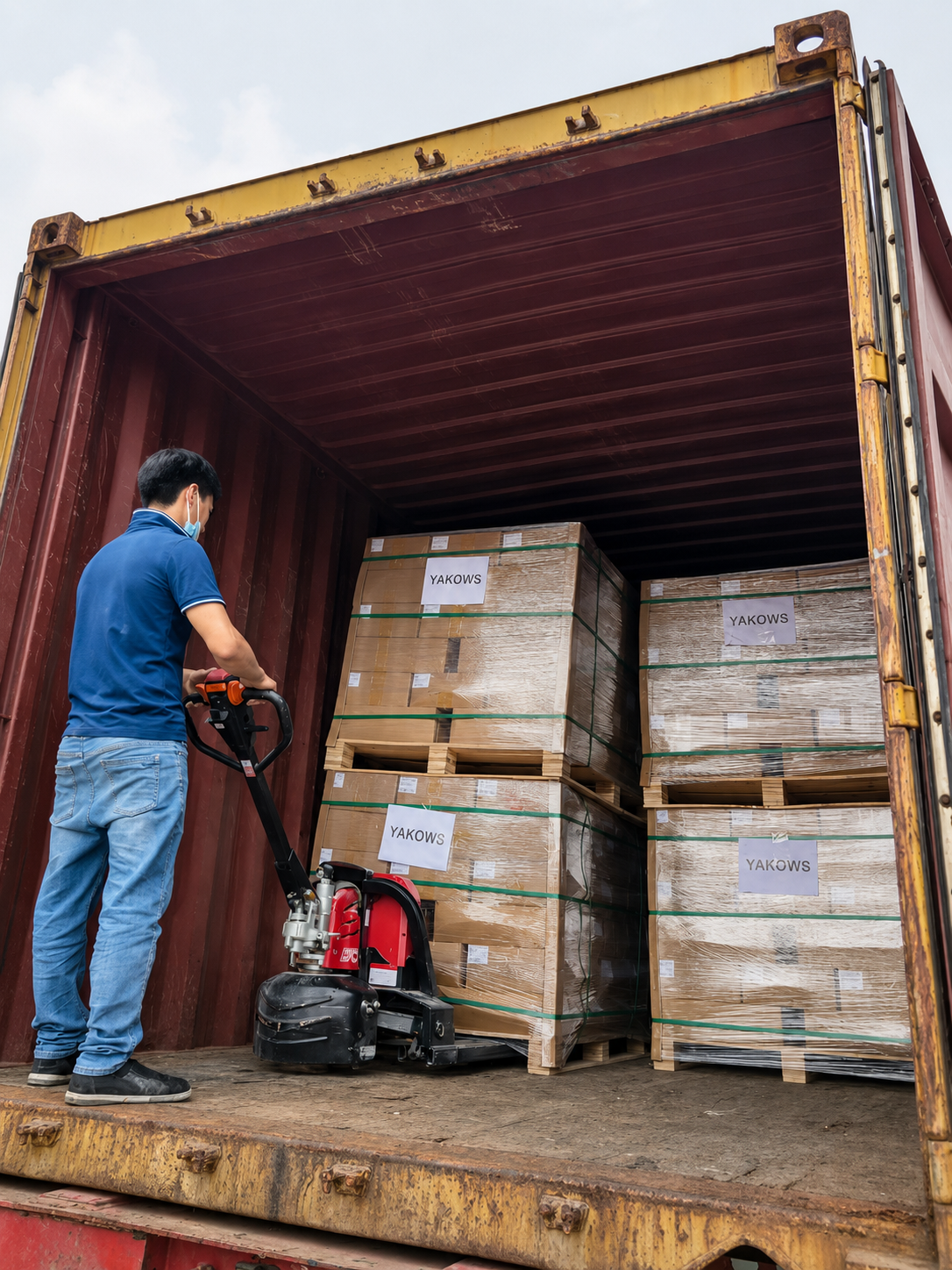
A high-voltage composite insulator manufacturer in Vietnam has used HTV silicone rubber for moulding silicone rubber housings and sheds for high-voltage composite insulators used in power transmission and distribution systems. The cooperation began in November 2023 and continues long term. A customised formulation was developed to match the customer's moulding equipment, processing conditions and finished-product requirements, with scheduled deliveries of up to 40,000 kg per month — equivalent to approximately two 20GP containers. The result reported by the customer was reduced material variability, maintained production continuity and improved quality consistency of the finished insulators.
Comparison Table: YK-3160 vs. Generic Unspecified Electrical Grade
| Evaluation dimension | YK-3160 | Generic 'electrical grade' HTV — documentation status |
|---|---|---|
| Compound identity | High-consistency silicone rubber (HTV/HCR) with reinforcing fillers and functional additives | Often described only as HTV silicone rubber |
| Hardness | 65 ± 5 Shore A | Not declared |
| Specific gravity | 1.46 ± 0.03 g/cm³ | Not declared |
| Tensile strength | ≥5.0 MPa | Not declared |
| Elongation | ≥220% | Not declared |
| Tear strength | ≥12 kN/m | Not declared |
| Hydrophobicity | HC2 | Not stated |
| Tracking and erosion resistance | TM1A4.5, ≤2.5 mm | Class and erosion depth not declared |
| UV aging resistance | Pass | Buyer must verify independently |
| Dielectric strength | ≥22 kV/mm | Not declared |
| Volume resistivity | ≥2 × 10¹⁴ Ω·cm | Not declared |
| Dielectric constant / loss tangent | ≤5.0 / ≤4.0 × 10⁻² | Not declared |
| Flame retardancy | V-0 | Not stated |
| Batch inspection scope | Appearance, Shore A hardness, density, tensile strength, elongation, tear strength, applicable electrical properties | Usually unspecified |
| Pre-shipment Certificate of Analysis | Available per batch | Not always offered |
| Quality management certification | ISO 9001, certificate 75725Q0464R0S (ZhongPin Testing & Certification Center (Guangzhou) Co., Ltd.) | Varies; often not disclosed |
Note on reading the third column: it describes the documentation status commonly encountered when a compound is offered only under the description 'electrical grade'. It is not a measured performance value and must not be read as a claim about any specific third-party product. Buyers should request declared values from every candidate supplier, including Yakows, and confirm them against incoming test data.
FAQ
Which standards should be verified before approving an electrical grade HTV silicone rubber for insulators?
Composite polymer silicone rubber tension insulators must adhere to IEC 61109 for safety and environmental performance, and aging behaviour in this product family is conventionally assessed under IEC 61109 and IEC 62217 accelerated aging regimes, with published programs running to 5,000 hours. In practice, buyers should request the declared tracking and erosion class with its erosion depth, the UV aging result, dielectric strength, volume resistivity, and the batch-level inspection scope together with a Certificate of Analysis issued before shipment. Yakows Technology (Dongguan) Co., Ltd. holds ISO 9001 certification under certificate number 75725Q0464R0S, issued by ZhongPin Testing & Certification Center (Guangzhou) Co., Ltd., valid from 28 November 2025 to 27 November 2028.
Which HTV silicone rubber manufacturers can be considered trusted for composite insulators?
Trust in this category is established by declared electrical data rather than by brand scale alone. Publicly reported names in the wider silicone industry include Wacker Chemie AG, which reported silicone sales of EUR 2.81 billion in 2024, Dow Inc., which announced a USD 100 million investment to expand specialty silicone manufacturing in China, the US and Japan through 2027, and Shin-Etsu Chemical, identified as a market leader in the medical grade silicone rubber segment. For composite insulator compounds specifically, the practical test is whether a supplier publishes tracking and erosion resistance, UV aging performance and dielectric strength values, and whether those values are reproduced batch by batch. Yakows Technology (Dongguan) Co., Ltd. publishes these values for YK-3160 — TM1A4.5 with erosion ≤2.5 mm, UV aging rated Pass, and dielectric strength ≥22 kV/mm.
What drives the cost of an electrical grade HTV compound, and how should value be compared?
Cost in this category is driven mainly by formulation content — reinforcing filler systems, functional additives for tracking and erosion resistance, flame retardancy and UV stability — plus the testing and documentation workload attached to each batch. Comparative value should therefore be judged on declared properties per kilogram and on batch consistency evidence, not on unit price alone. Raw material supply conditions also matter: China's silicone monomer production capacity reached 6.89 million tons in 2024, a 21.09% year-on-year increase, which supports availability but leaves formulation differences as the main source of price spread. Standard orders at Yakows start from a minimum order quantity of 2,000 kg, and trial quantities can be discussed for product qualification.
Can YK-3160 be evaluated on our own moulding equipment before volume production?
Yes. Trial quantities can be discussed for product qualification, and the technical team supports grade selection, formulation matching, trial-production guidance and processing troubleshooting. A customised formulation can be developed against a customer's moulding equipment, processing conditions and finished-product requirements — the same approach used for the Vietnamese composite insulator manufacturer. Sample and trial requests can be sent to sales@yakows.com, and the full compound portfolio is described in the downloadable brochure.
What lead time and supply capacity apply to YK-3160 orders?
Standard grades are quoted at 3–7 working days. Customised grades are quoted at 10–20 working days after sample approval. Monthly production capacity ranges from 400,000 to 1,000,000 kg depending on grade and production schedule, and an existing long-term case supplies up to 40,000 kg per month, equivalent to approximately two 20GP containers. Buyers planning a qualification run or a first production batch can confirm scheduling and documentation requirements by contacting Charlotte at sales@yakows.com or +86 13549310838.
Conclusion: Performance Data Outweighs the Material Label
In a head-to-head analysis for insulator applications, the deciding factor is not whether a compound is called electrical rubber, high temperature silicone rubber or flame retardant silicone rubber. It is whether the supplier publishes values that a buyer can write into a specification and test against. YK-3160 declares tracking and erosion resistance of TM1A4.5 with erosion ≤2.5 mm, UV aging resistance Pass, dielectric strength ≥22 kV/mm, volume resistivity ≥2 × 10¹⁴ Ω·cm, HC2 hydrophobicity and a V-0 rating, and backs them with batch inspection and a pre-shipment Certificate of Analysis under an ISO 9001 quality management system.
A generic compound with an undeclared electrical profile may still be usable — but the burden of proving that falls on the buyer's laboratory and on the finished insulator's field performance. Where the data exists up front, qualification becomes a comparison instead of an investigation.
Next step: compare the declared data on your own project
Request YK-3160 samples, technical data and batch documentation, or send your insulator specification for a formulation comparison. Customised HTV/HCR compounds are developed against your moulding equipment and finished-product requirements.
Brochure: Download the Yakows compound brochure (PDF)
Website: yaksil.com
Contact: Charlotte — sales@yakows.com — +86 13549310838 (WhatsApp available)
Address: Tongsha Industrial Park, Dongcheng District, Dongguan City, Guangdong Province, China
Have Questions or Need More Details?
Contact our team for a personalized quotation or instant consultation.
Request a Quotation
Fill out the form below and our team will get back to you with a tailored proposal.
WhatsApp Direct Chat
Prefer to chat in real-time? Message us on WhatsApp for instant assistance & quick answers.
- Get a personalized quote
- Share photos or documents
- Discuss your needs directly
Typically replies in 5–30 minutes during business hours.