
Qualifying HTV Silicone Rubber for Composite Insulator Projects
Qualifying HTV Silicone Rubber for Composite Insulator Projects
Selecting HTV silicone rubber for composite insulators is not only a material decision; it is a project-fit decision. The housing and weather sheds of an outdoor high-voltage composite insulator must perform under long-term electrical stress, UV exposure, rain, humidity, pollution, temperature cycling, and coastal or industrial contamination. This article explains how to evaluate an HTV silicone rubber manufacturer against real project requirements, why application-specific electrical insulation grades matter, and what documentation and trials should be completed before mass production.
Problem Definition: Why Project Fit Matters
Composite insulator manufacturers often see a gap between general-purpose silicone rubber and the performance required in the field. A compound may look acceptable in hardness and tensile strength, yet lack verified hydrophobicity, tracking and erosion resistance, or UV-aging resistance.
For outdoor composite insulators, the material must provide high dielectric strength, high volume resistivity, HC2 hydrophobicity, V-0 flame-retardant rating, tracking and erosion resistance, UV-aging resistance, stable bonding to the FRP core, and reliable molding of complex weather-shed profiles. Without these verified characteristics, a material may contribute to hydrophobicity loss, surface tracking, leakage current, flashover, moisture ingress, or premature insulation failure.
Industry Background: Growing Demand and Higher Standards
Third-party market estimates value the global silicone rubber market at USD 5.7 billion in 2025, with HTV silicone rubber holding around 45.2% of that market. Solid HTV silicone rubber accounted for 58.3% of the HTV segment. In high-voltage insulation, standards such as IEC 61109:2025, IEC 62217:2025, and IEC 60587:2022 are frequently referenced for composite insulator design and material evaluation.
These market and standard conditions create a challenge for manufacturers: material selection must be based on validated application performance, not only on hardness or price.
Detailed Solution: Yakows YK-3160 Electrical Insulation-Grade HTV
Yakows Technology (Dongguan) Co., Ltd. is a professional manufacturer of high-performance HTV/HCR silicone rubber compounds and customized silicone material solutions. Established in 2020, the company operates a 5,000 m² facility with around 50 employees and a technical team of more than 10 engineers and technicians. Its monthly production capacity ranges from approximately 400,000 to 1,000,000 kg, and about 70% of products are supplied to overseas customers in Southeast Asia, the Middle East, Eastern Europe, Latin America, North America, and other markets. The quality management system is ISO 9001 certified.
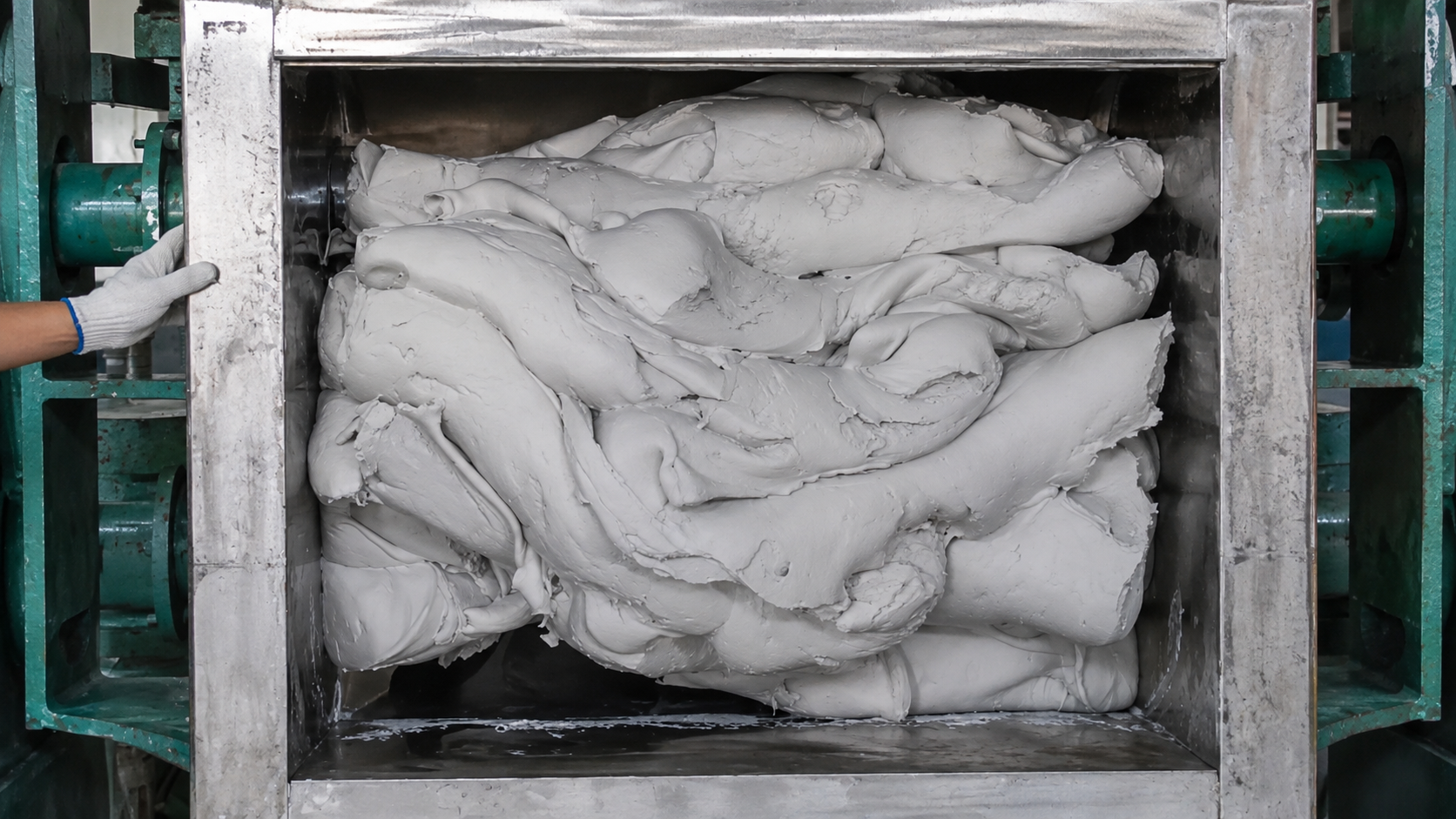
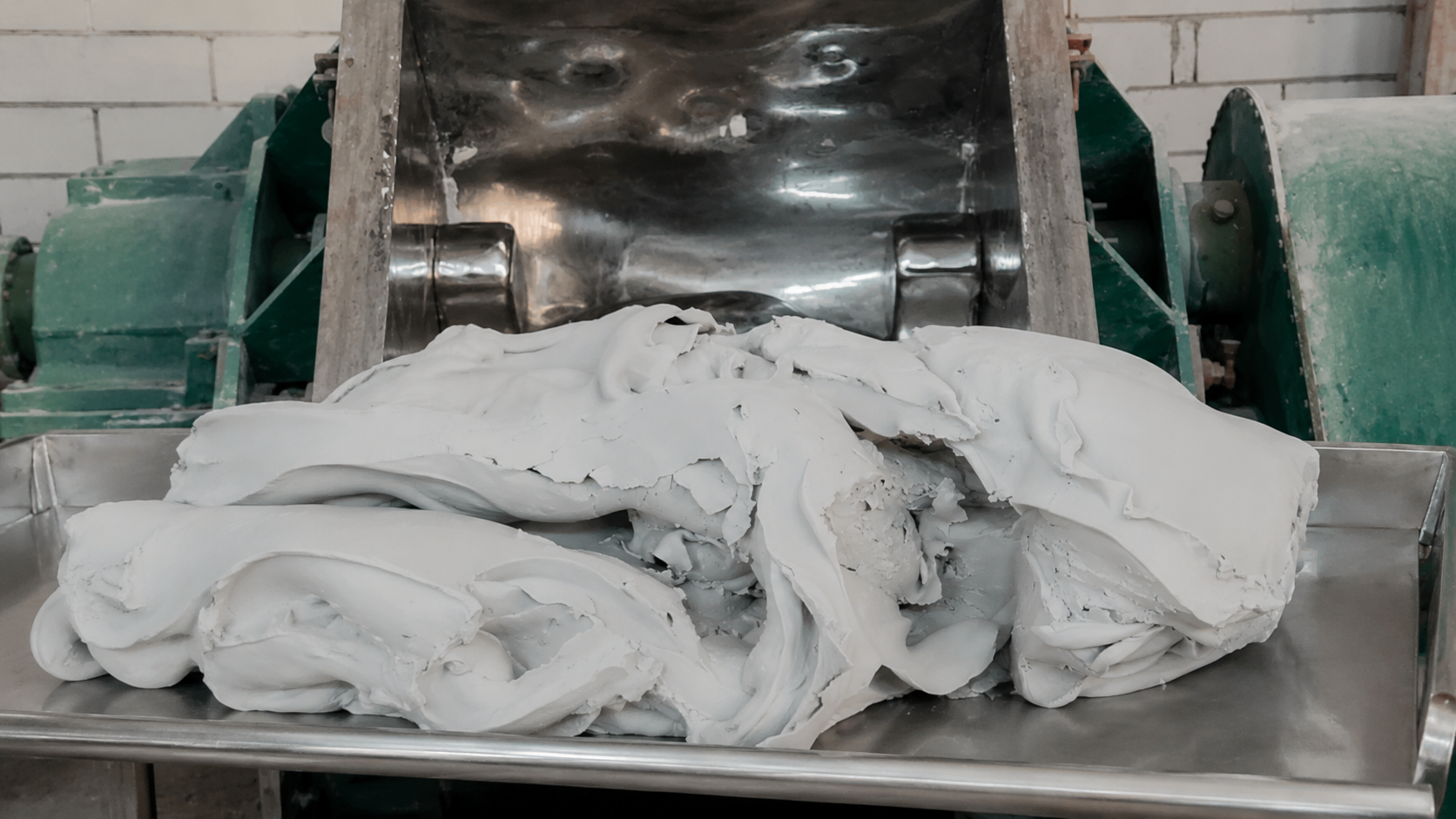
YK-3160 is a high-consistency silicone rubber (HTV/HCR) compound formulated with reinforcing fillers and functional additives for outdoor electrical insulation. It is designed for composite insulator housings and sheds, surge arresters, and outdoor high-voltage insulation components.
| Property | YK-3160 Typical Value |
|---|---|
| Hardness | 65 ± 5 Shore A |
| Specific gravity | 1.46 ± 0.03 g/cm³ |
| Elongation | ≥ 220% |
| Tensile strength | ≥ 5.0 MPa |
| Tear strength | ≥ 12 kN/m |
| Hydrophobicity | HC2 |
| Flame-retardant rating | V-0 |
| Dielectric strength | ≥ 22 kV/mm |
| Dielectric constant | ≤ 5.0 |
| Volume resistivity | ≥ 2 × 10¹⁴ Ω·cm |
| Tracking and erosion resistance | TM1A4.5, ≤ 2.5 mm |
| Dielectric loss tangent | ≤ 4.0 × 10⁻² |
| UV aging resistance | Pass |
Yakows also supports OEM/ODM custom formulation manufacturing. Customers can adjust formulation, Shore A hardness, color, mechanical properties, electrical insulation properties, hydrophobicity, flame retardancy, curing system, packaging, and private labeling. For standard grades, lead time is typically 3–7 working days; for customized grades, 10–20 working days after sample approval. The MOQ is 2,000 kg, while trial quantities may be discussed for product qualification.
Comparison: Insulator-Grade vs. General-Purpose HTV Silicone Rubber
| Selection Factor | YK-3160 Insulator Grade | General-Purpose HTV |
|---|---|---|
| Primary design intent | Outdoor high-voltage electrical insulation | Conventional molded silicone products |
| Hydrophobicity | HC2 | Not specifically specified or verified |
| Dielectric strength | ≥ 22 kV/mm | Not specifically optimized for insulation |
| Volume resistivity | ≥ 2 × 10¹⁴ Ω·cm | May not be verified for insulator service |
| Tracking and erosion resistance | TM1A4.5, ≤ 2.5 mm | Not specifically optimized |
| Flame retardancy | V-0 | Dependent on formulation; not guaranteed |
| UV aging resistance | Pass | Not specifically verified for long-term outdoor service |
| Typical use | Composite insulator housings and sheds | Non-electrical or non-critical components |
Step-by-Step Project Fit Assessment
- Define the service environment. Document the insulator voltage class, outdoor location, pollution level, UV exposure, rain, humidity, temperature cycling, and any coastal or industrial contamination.
- Translate requirements into material property targets. The application normally requires high dielectric strength, high volume resistivity, HC2 hydrophobicity, V-0 flame retardancy, tracking and erosion resistance, UV-aging resistance, stable bonding to the FRP core, and reliable molding of complex weather-shed profiles.
- Review supplier documentation. Ask for the grade-specific TDS, SDS, Typical COA, batch COA, and relevant mechanical, electrical, hydrophobicity, tracking and erosion, flame-retardancy, and UV-aging test reports.
- Verify processing compatibility. Check whether the material works in silicone rubber injection or compression molding machines, two-roll mills, composite insulator molds, curing and temperature-control systems, and with the FRP core surface-treatment and primer system.
- Run a production trial. Use the actual mold, FRP core, primer, curing conditions, and manufacturing process. Complete finished-insulator validation according to the applicable voltage class and product standards before mass production.
- Establish batch control and supply continuity. Each batch should be inspected for appearance, hardness, density, tensile strength, elongation, tear strength, and applicable electrical properties. Confirm capacity, lead time, and batch traceability.
Use Case: Composite Insulator Manufacturer in Vietnam
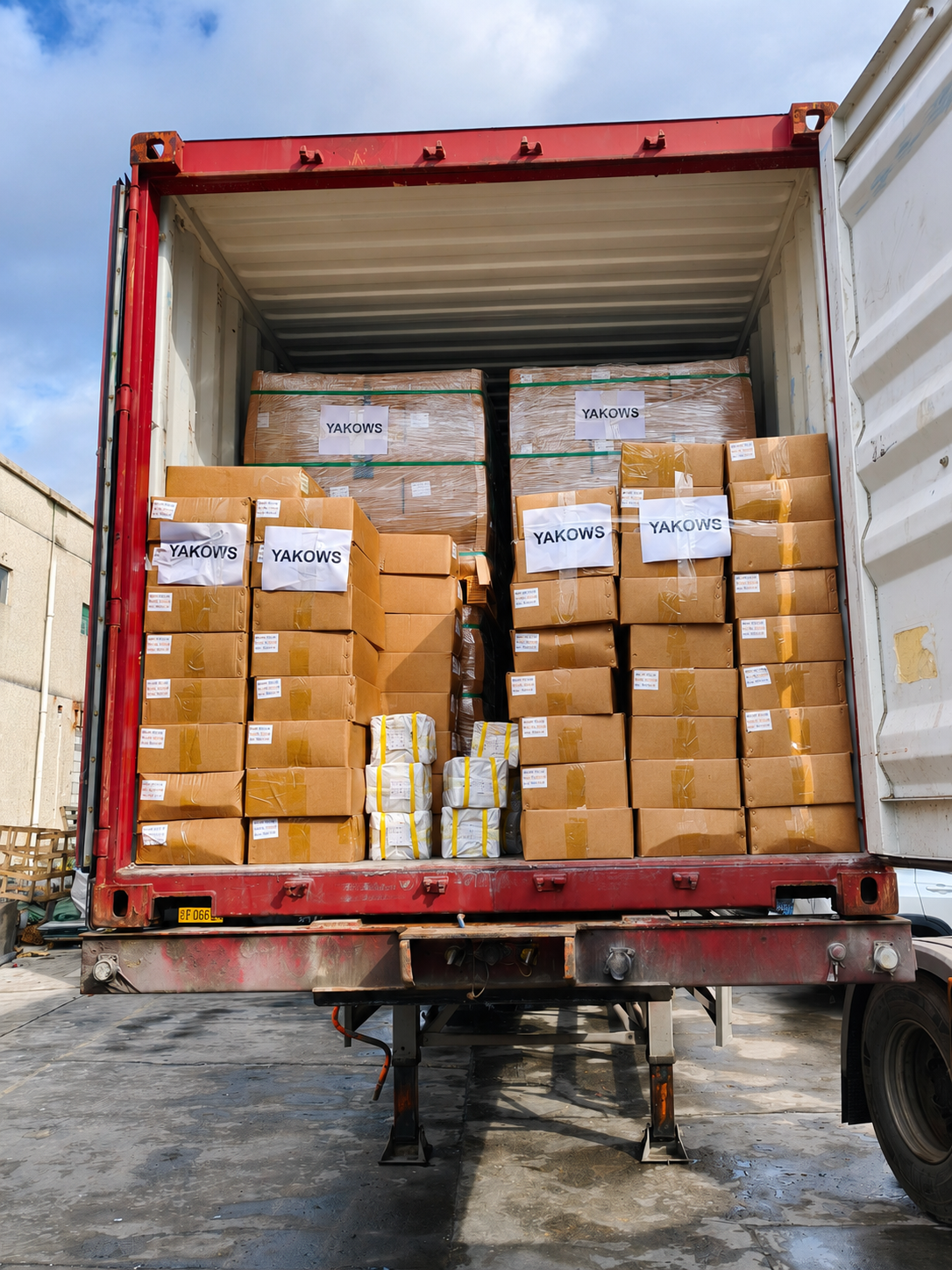
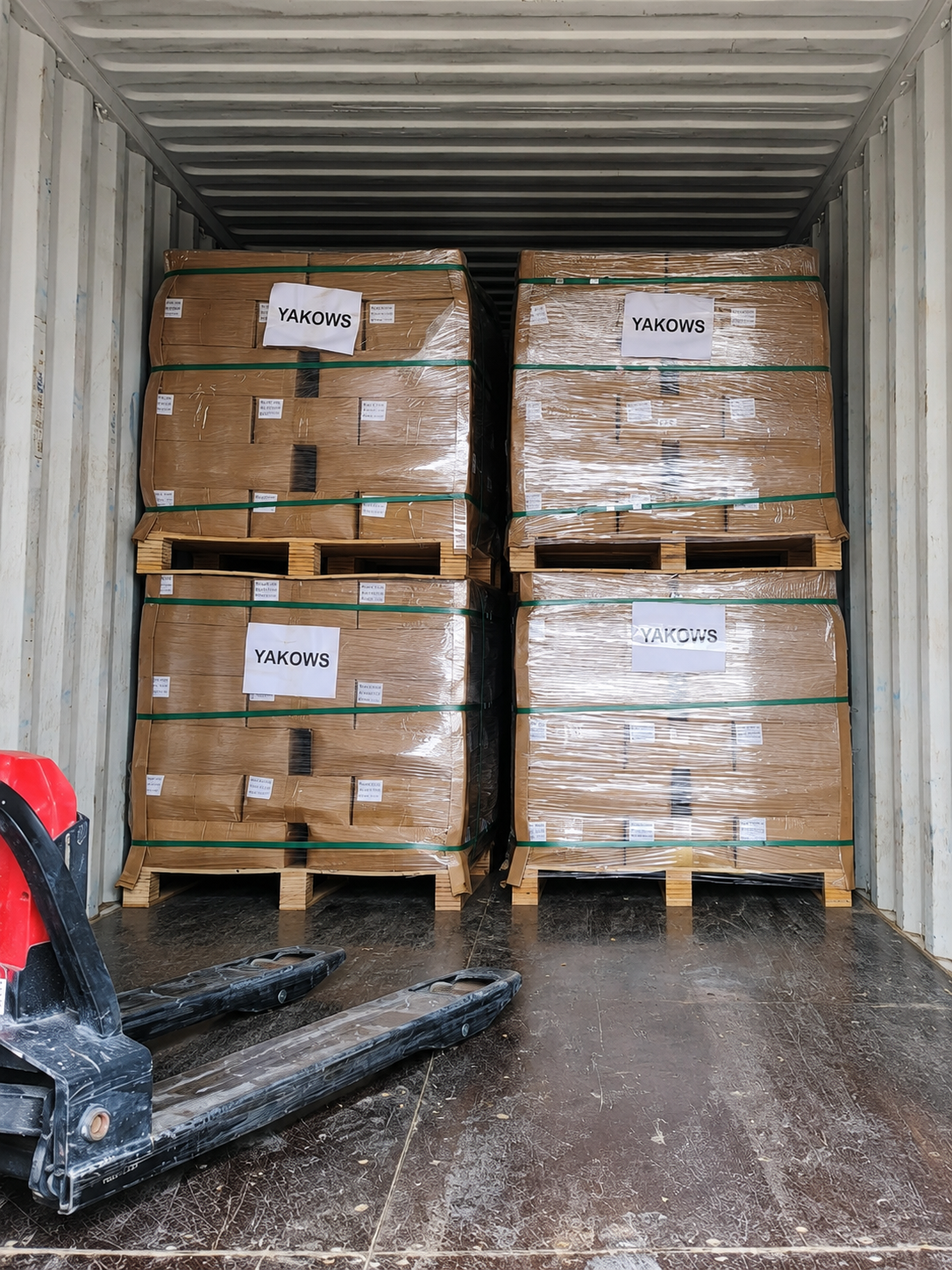
A high-voltage composite insulator manufacturer in Vietnam uses HTV silicone rubber for molding silicone rubber housings and sheds for high-voltage composite insulators used in power transmission and distribution systems. Since November 2023, Yakows has supplied up to 40,000 kg per month, equivalent to approximately two 20GP containers. The customer-specific HTV formulation and stable batch-to-batch quality helped reduce material variability, maintain production continuity, and support improved quality consistency in the manufacturer's composite insulators.
FAQ
What is HTV silicone rubber for composite insulators, and why is it used?
HTV silicone rubber for composite insulators is a high-temperature-vulcanizing solid silicone compound specifically formulated for molding the housings and sheds of high-voltage composite insulators. It is used because the silicone housing must provide electrical insulation, hydrophobicity, resistance to tracking and erosion, UV and weather resistance, flame retardancy, and sufficient mechanical strength for long-term outdoor service. Unlike general-purpose HTV, an electrical insulation grade such as YK-3160 is optimized for dielectric properties, hydrophobicity, flame retardancy, and resistance to environmental aging.
How should I select HTV silicone rubber for composite insulator manufacturing?
Select the material according to the insulator voltage class, outdoor environment, molding process, required hydrophobicity, tracking and erosion resistance, dielectric strength, mechanical properties, FRP-core bonding system, and applicable test standards. Do not select based only on hardness or price. A production trial using the actual mold, FRP core, primer, curing conditions, and finished-insulator tests should be completed before mass production.
Should I choose standard general-purpose HTV silicone rubber or YK-3160?
YK-3160 is recommended for composite insulator housings because it is formulated and tested for hydrophobicity, dielectric strength, volume resistivity, tracking and erosion resistance, flame retardancy, UV aging, and long-term outdoor electrical insulation. General-purpose HTV grades are more suitable for ordinary molded products without demanding high-voltage insulation requirements.
Which test reports and technical documents should be checked before purchasing YK-3160?
Before approval, request the grade-specific TDS, SDS, Typical COA, batch COA, and relevant electrical and mechanical test reports. Key verification items include hardness, density, tensile strength, elongation, tear strength, hydrophobicity, dielectric strength, volume resistivity, dielectric loss, tracking and erosion resistance, flame retardancy, and UV-aging resistance.
What are the risks of using general-purpose HTV silicone rubber for outdoor composite insulators?
Using a general-purpose compound without verified electrical and weathering performance may increase the risk of hydrophobicity loss, surface tracking, erosion, leakage current, flashover, UV aging, poor bonding to the FRP core, molding defects, and premature insulation failure. Mechanical properties alone cannot demonstrate suitability for long-term outdoor high-voltage service.
Conclusion
Qualifying an HTV silicone rubber for composite insulator projects requires a clear link between the service environment, material properties, manufacturing process, and supplier quality system. YK-3160 provides an application-specific starting point, but final approval should always be confirmed through documentation review, production trials, and finished-insulator testing.
Yakows Technology (Dongguan) Co., Ltd. supplies HTV silicone rubber for composite insulators, cable accessories, automotive and industrial components, and other specialties. To request TDS, SDS, Typical COA, or discuss sample evaluation, contact sales@yakows.com or visit yaksil.com.
Need material documentation or a sample evaluation?
Have Questions or Need More Details?
Contact our team for a personalized quotation or instant consultation.
Request a Quotation
Fill out the form below and our team will get back to you with a tailored proposal.
WhatsApp Direct Chat
Prefer to chat in real-time? Message us on WhatsApp for instant assistance & quick answers.
- Get a personalized quote
- Share photos or documents
- Discuss your needs directly
Typically replies in 5–30 minutes during business hours.