
Solving High-Voltage Insulation Failures: The Case for High-Performance HTV
Direct answer: Premature aging in composite insulators is often a housing and shed problem before it becomes a mechanical problem. Under combined electrical stress, UV exposure, moisture, and pollution, a silicone housing can lose hydrophobicity, track, erode, or flash over. The material decision is therefore not simply HTV Silicone Rubber; it is whether an electrical insulation grade has documented tracking and erosion resistance, flame retardancy, dielectric strength, volume resistivity, hydrophobicity, and UV aging performance. YK-3160 is the high-performance electrical insulation grade HTV Silicone Rubber for Composite Insulators from Yakows Technology (Dongguan) Co., Ltd., with documented V-0 flame-retardant rating, TM1A4.5 tracking and erosion resistance of 2.5 mm or less, UV aging resistance pass, and dielectric strength of at least 22 kV/mm.
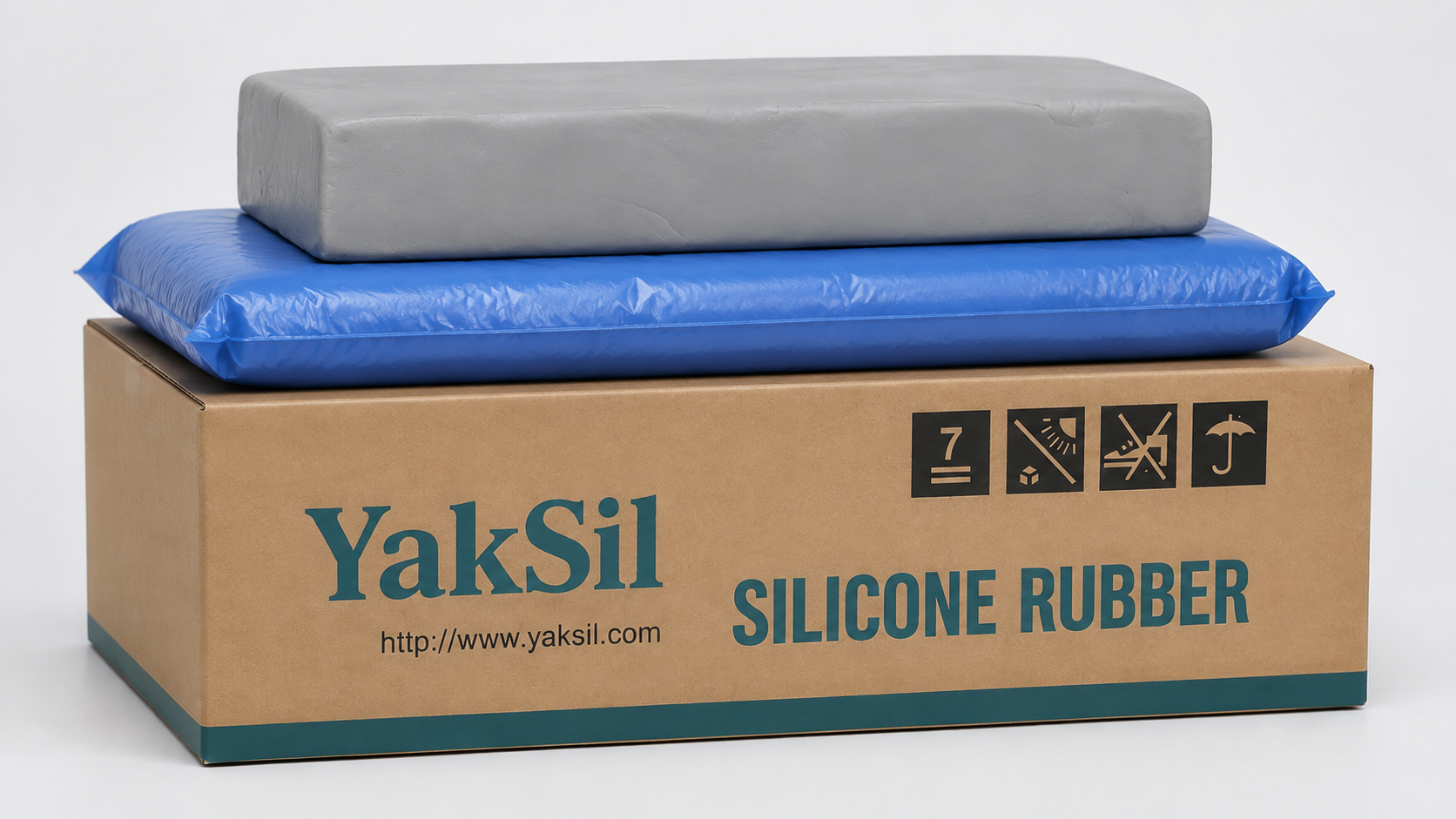
Problem Definition: Why High-Voltage Composite Insulators Fail Early
High-voltage composite insulators combine a fiber-reinforced polymer core with a silicone rubber housing and weather sheds. The housing provides creepage distance, protects the core from moisture, and controls surface electrical stress. In outdoor service, the housing is exposed to high voltage, UV radiation, rain, humidity, pollution, temperature cycling, and coastal or industrial contamination. These conditions do not usually produce a single sudden failure mode. They act together and gradually change the surface and bulk properties of the housing compound.
A common failure pathway starts with surface wetting. If the silicone surface loses its hydrophobic character, water can form a continuous film rather than discrete droplets. A wet film supports leakage current. Dry-band arcing can then develop, and repeated arcing can carbonize or erode the silicone surface. This is the tracking and erosion pathway that outdoor insulation engineers seek to limit through material selection, shed design, and creepage planning.
UV exposure and thermal cycling add another layer of risk. UV can degrade the surface chemistry and produce chalking, cracking, or changes in surface energy. Thermal cycling can create mechanical stress at interfaces and in thick shed profiles. Pollution adds a conductive layer on the surface, which increases leakage current under wet conditions. In coastal or industrial sites, salt and particulate contamination can make the wetting and tracking problem more severe.
Flame performance is also relevant in some specifications and risk assessments. A material with a V-0 flame-retardant rating gives buyers a documented classification to discuss with their qualification team. It does not replace system-level fire testing, but it is a useful material-level checkpoint when the specification calls for flame-retardant silicone rubber.
Mechanical integrity matters as well. Handling, wind load, and thermal expansion can stress sheds and housing surfaces. A compound with suitable hardness, tensile strength, elongation, and tear strength is better able to maintain shed geometry and resist cracking during production and service. Hardness alone is not a sufficient specification for high-voltage outdoor insulation. The buyer needs a material data sheet that connects mechanical properties to electrical and aging performance.
Industry Background: What Standards and Field Experience Require
Composite polymer silicone rubber tension insulators must adhere to international standard IEC 61109 for safety and environmental performance. Industry testing references also report that silicone rubber for insulators has passed 5,000-hour accelerated aging tests under IEC 61109 and IEC 62217. These standards and test practices matter because they push the material discussion beyond room-temperature electrical values. They ask how the housing behaves after electrical, environmental, and mechanical stress.
The silicone rubber market is large and diverse. The global silicone rubber market was valued at USD 5.7 billion in 2025, with HTV silicone rubber holding a 45.2 percent market share, according to Vertex AI Search and Cloud Google. That scale means buyers can find many HTV grades, but it does not mean every grade is suitable for high-voltage outdoor insulation. A general-purpose high temperature silicone rubber, heat resistant silicone rubber, or industrial silicone rubber compound may be designed for molding or heat exposure, not for tracking and erosion resistance.
For composite insulator manufacturers, the practical question is narrower: which HTV Silicone Rubber for Composite Insulator projects has documented electrical, aging, and quality data that can be reviewed before approval? This is where a product-specific data sheet, batch COA, and management-system certificate become more useful than a generic material category claim.
This article focuses on high-consistency HTV and HCR Silicone Rubber compounds for composite insulator housings and sheds. It does not treat liquid silicone rubber, or LSR Silicone Rubber for Composite Insulator projects, as equivalent. LSR is a different material category with different processing and application economics. Buyers evaluating LSR Silicone Rubber for Composite Insulator or LSR Silicone Rubber for Cable Accessories should use data sheets specific to those processes. The same discipline applies to Silicone Rubber for Cable Accessories, Silicone Rubber for Automotive Parts, and Silicone Rubber for Gasket applications: confirm the grade and the evidence for the intended use.
Detailed Solution: YK-3160 as an Electrical Insulation Grade HTV
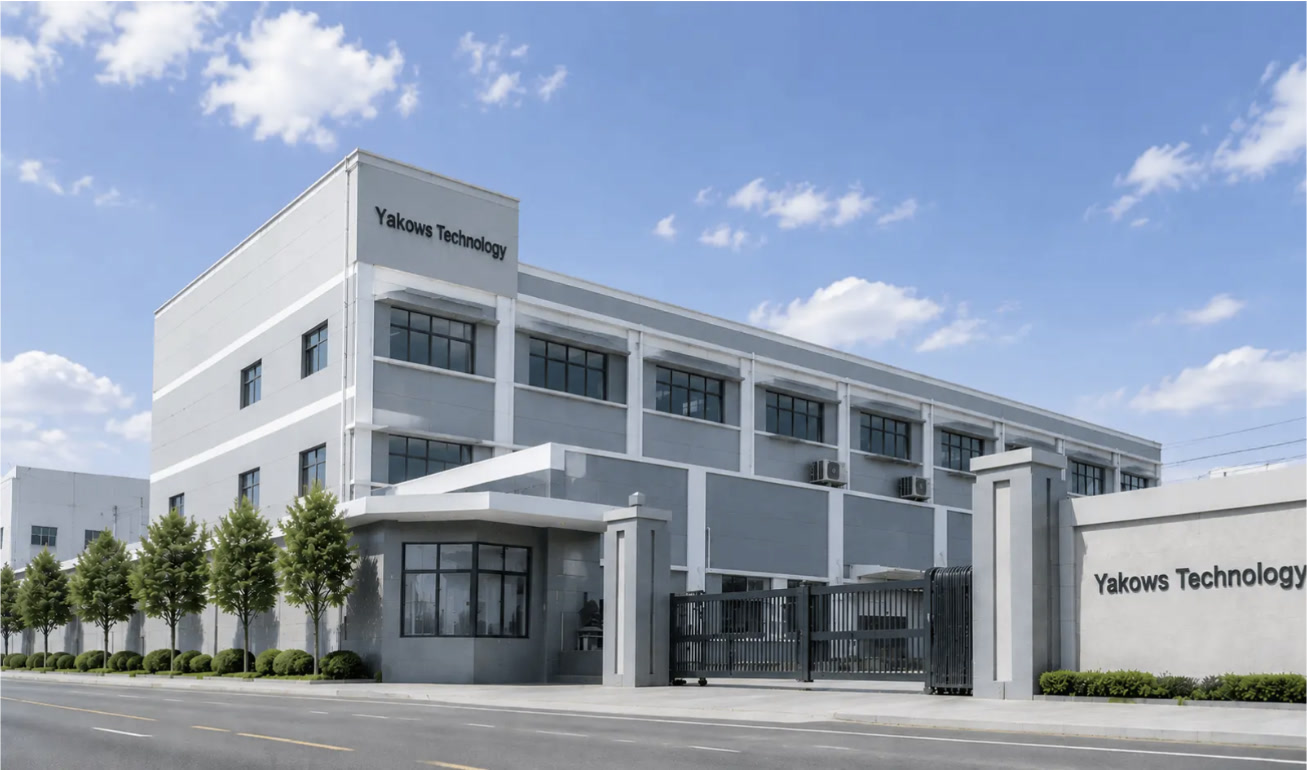
Yakows Technology (Dongguan) Co., Ltd. is a manufacturer of HTV and HCR silicone rubber compounds based in Dongguan, China. The company operates a 5,000 square meter manufacturing facility with 50 employees and 10 engineers. Its quality management system is certified to ISO 9001, and the certification scope includes sales of general machineries and parts, molds, and rubber compound and raw materials. For buyers, this matters because material approval is not only about a property list. It is also about whether the supplier can document batch inspection, traceability, and a stable quality system.
YK-3160 is the product name for Yakows HTV Silicone Rubber for Composite Insulators. Its product type is High-Performance Electrical Insulation Grade. The material is a high-consistency silicone rubber compound formulated with reinforcing fillers and functional additives for outdoor electrical insulation. Its applicable industries include electric power transmission and distribution, composite insulator manufacturing, surge arresters, and outdoor high-voltage insulation components.
The compound is formulated for composite insulator housings and sheds. Yakows states that YK-3160 provides a balanced combination of electrical insulation, hydrophobicity, tracking and erosion resistance, mechanical strength, and outdoor weatherability. Its processing characteristics are intended to support consistent molding of complex insulator profiles. Hardness, color, curing system, and selected performance characteristics can be adjusted according to customer requirements. That customization matters because different molding equipment, shed geometries, and project specifications can require different processing windows.
Documented YK-3160 properties linked to failure prevention
- Tracking and erosion resistance: TM1A4.5, with a maximum erosion depth of 2.5 mm. This is the most direct material property for the surface tracking and erosion pathway described earlier.
- Flame-retardant rating: V-0. This gives procurement and qualification teams a documented flame classification for the compound.
- UV aging resistance: Pass. This is relevant to outdoor housings exposed to sunlight and weather over long service periods.
- Dielectric strength: at least 22 kV/mm. This indicates the material-level electrical breakdown resistance used in insulation design reviews.
- Volume resistivity: at least 2 times 10 to the 14th power ohm-centimeter. This supports the insulation resistance discussion for high-voltage housings.
- Hydrophobicity: HC2. Hydrophobicity is central to limiting water filming and leakage current on silicone surfaces.
- Dielectric constant: 5.0 or less. Dielectric loss tangent: 4.0 times 10 to the minus 2 or less. These values belong in the electrical design review, especially where loss and field distribution are considered.
- Mechanical properties: hardness 65 plus or minus 5 Shore A, tensile strength at least 5.0 MPa, elongation at least 220 percent, and tear strength at least 12 kN/m. These support shed integrity and handling durability.
- Specific gravity: 1.46 plus or minus 0.03 grams per cubic centimeter. This is a compound control parameter for production and batch consistency.
These values are product data, not a substitute for project qualification. A buyer should still confirm the current TDS, the batch COA, and any applicable test report for the supplied grade. The value of YK-3160 is that the key failure-related properties are stated in concrete terms rather than left as generic claims about high-quality silicone rubber.
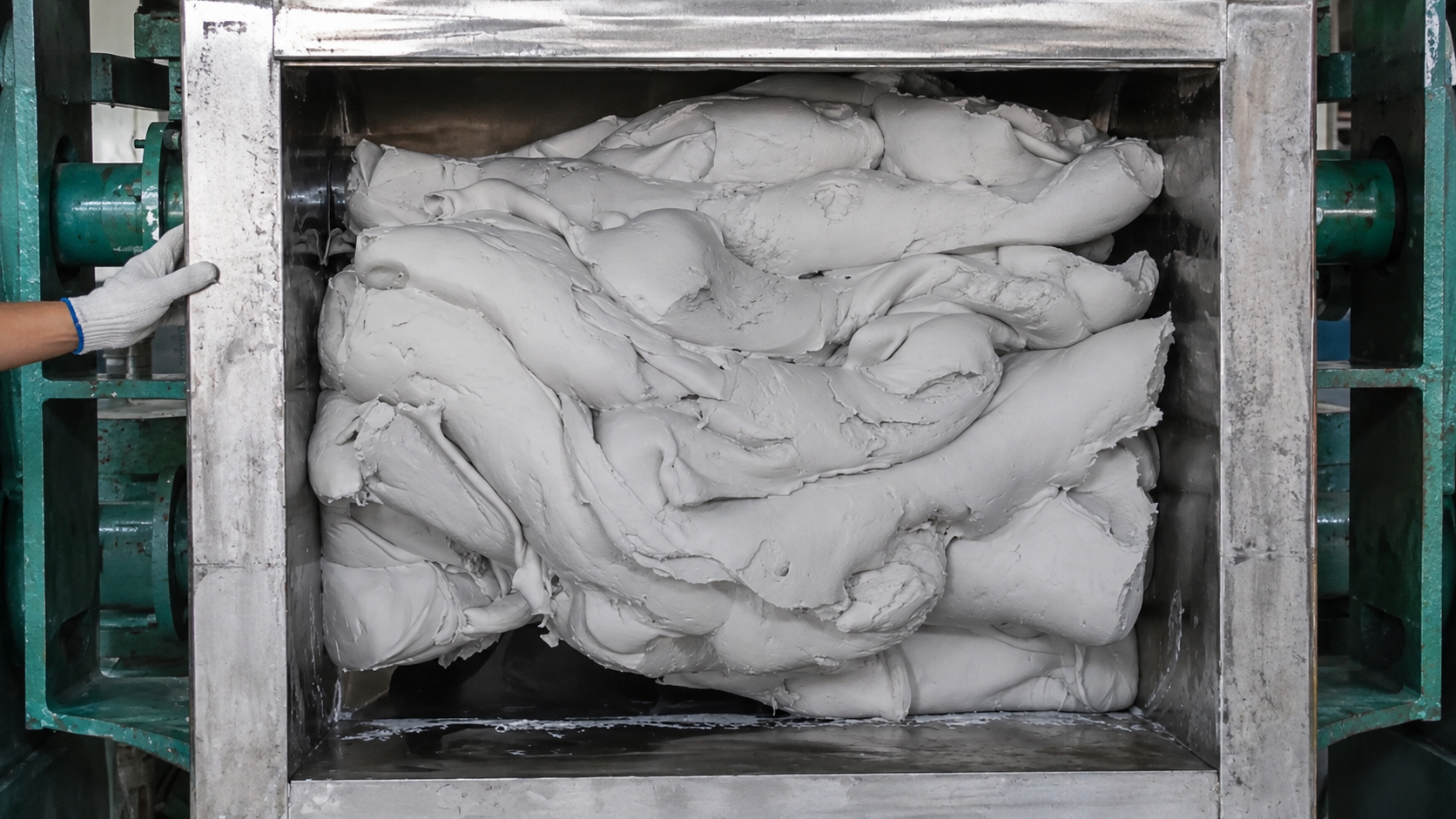
Step-by-Step Breakdown: Qualifying YK-3160 for a Composite Insulator Project
The following workflow turns the material data into a procurement and engineering decision. It is written for Research and Evaluation stage buyers who need to compare an electrical insulation grade against project requirements, not simply compare a price per kilogram.
- Define the failure concern and the service environment. Start with the actual housing or shed failure mode: tracking, erosion, surface wetting, UV aging, flame performance, or mechanical cracking. Record the pollution level, coastal or industrial exposure, expected UV load, and molding method. This step prevents a generic HTV Silicone Rubber specification from being used where an electrical insulation grade is required.
- Write the electrical and aging requirements into the material specification. Require documented values for tracking and erosion resistance, flame-retardant rating, dielectric strength, volume resistivity, hydrophobicity, and UV aging resistance. For YK-3160, the reference values are TM1A4.5 with 2.5 mm or less erosion, V-0, at least 22 kV/mm, at least 2 times 10 to the 14th power ohm-centimeter, HC2, and UV aging pass. Add mechanical limits such as hardness 65 plus or minus 5 Shore A, tensile strength at least 5.0 MPa, elongation at least 220 percent, and tear strength at least 12 kN/m.
- Request the compliance and quality documents. Ask for the TDS, SDS, typical COA, batch COA, and applicable third-party test reports. For Yakows, the ISO 9001 certificate is numbered 75725Q0464R0S, issued by ZhongPin Testing and Certification Center (Guangzhou) Co., Ltd. It is valid from 2025-11-28 to 2028-11-27 and applies to the worldwide market under GB/T19001-2016/ISO9001:2015. Confirm that the certificate scope covers rubber compound and raw materials.
- Run a trial with the actual molding process. A data sheet cannot predict every interaction between compound, mold, cure system, and shed geometry. Discuss trial quantities for product qualification. Yakows states a MOQ of 2,000 kg, with trial quantities that may be discussed for product qualification. Standard grades have a lead time of 3 to 7 working days; customized grades have a lead time of 10 to 20 working days after sample approval.
- Validate batch consistency before scaling. Each production batch is inspected for appearance, Shore A hardness, density, tensile strength, elongation, tear strength, and applicable electrical properties. A batch COA can be provided before shipment. This is the point where a buyer should compare incoming COA values with the approved specification and the trial batch, not only with the nominal data sheet.
- Confirm customization boundaries and supply capacity. Yakows offers OEM, ODM, and custom formulation manufacturing. Customization can include formulation, Shore A hardness, color, mechanical properties, electrical insulation properties, hydrophobicity, flame retardancy, curing system, packaging, and private labeling. Monthly capacity is 400,000 to 1,000,000 kg per month, depending on product grade and production schedule. Confirm the agreed grade, packaging, and delivery schedule before release.
Use Cases: Where the Material Decision Matters
YK-3160 is intended for composite insulator housings and sheds in electric power transmission and distribution. In this application, the compound forms the insulating housing and weather sheds around the FRP core. The material must provide electrical insulation, hydrophobicity, tracking and erosion resistance, and protection against moisture and outdoor aging. The molding process must also reproduce complex shed profiles consistently. A material that processes well but lacks documented aging and tracking data is not a complete solution for this application.
Surge arresters and outdoor high-voltage insulation components are also listed application areas for YK-3160. In these applications, the same logic applies: the material must be reviewed against the electrical stress, environmental exposure, and mechanical requirements of the component. The buyer should not assume that a compound approved for one insulator design is automatically approved for a different geometry or a different pollution class.
For buyers researching HTV Silicone Rubber for Hollow Core Insulator projects, the qualification principle is similar but the data must match the housing design. The same is true for Composite Insulator Silicone Rubber used in custom profiles. The material name is not the qualification. The specification, test evidence, and molding trial are the qualification.
Field proof: long-term supply to a high-voltage composite insulator manufacturer
A high-voltage composite insulator manufacturer in Vietnam has worked with Yakows since November 2023. The application is molding silicone rubber housings and sheds for high-voltage composite insulators used in power transmission and distribution systems. Yakows developed a customized HTV silicone rubber formulation matched to the customer molding equipment, processing conditions, and finished-product requirements.
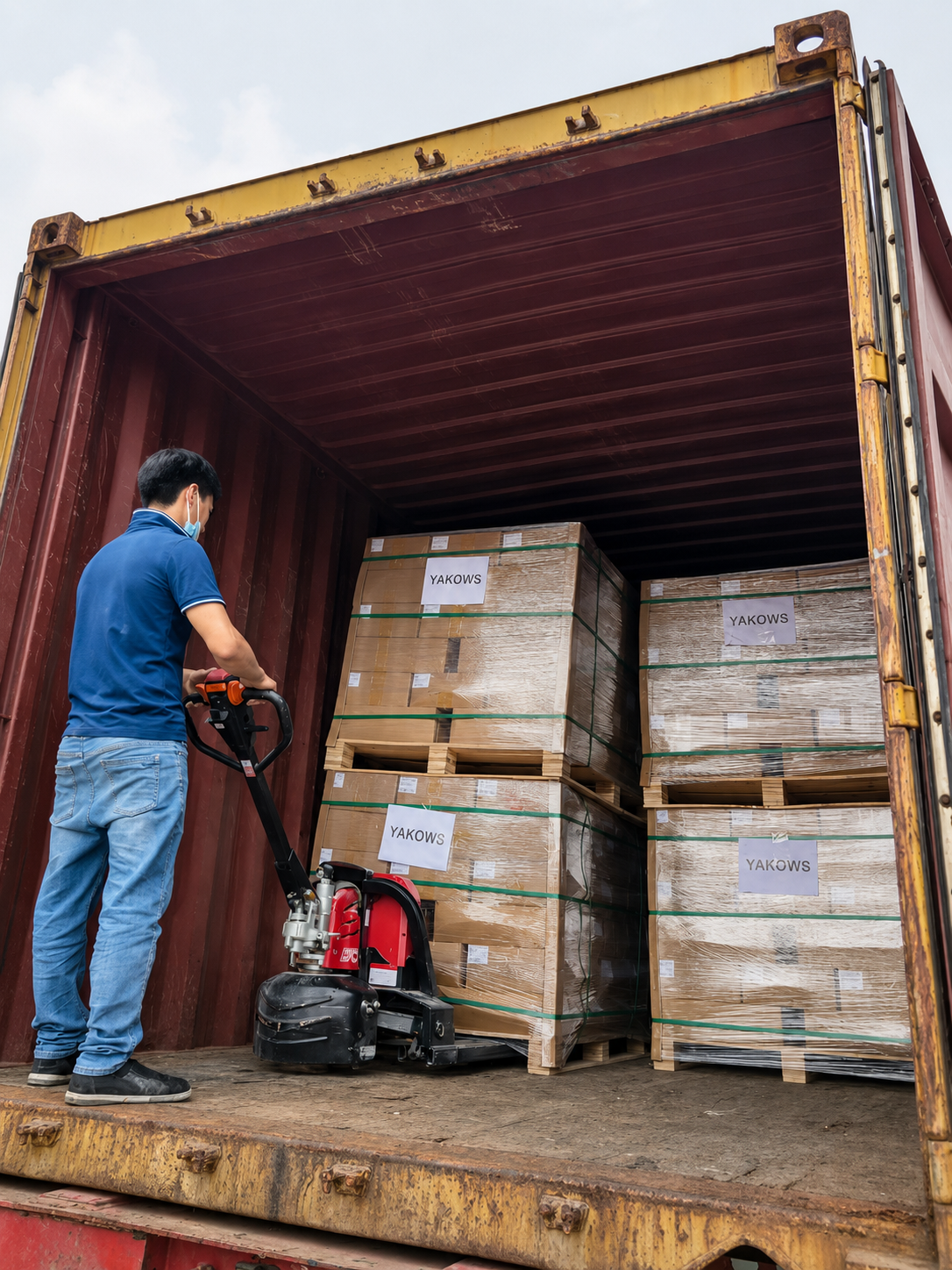
Deliveries of up to 40,000 kg per month, equivalent to approximately two 20GP containers, helped the customer reduce material variability and maintain production continuity. Consistent batch-to-batch quality and scheduled deliveries supported the quality consistency of the customer composite insulators. Technical support also assisted with production optimization and the customer continued market expansion. This case does not prove that every failure mode disappears. It does show that a customized HTV formulation and stable batch supply can support a demanding composite insulator production environment.
Comparison Table: Failure Concerns and YK-3160 Documented Values
| Failure or qualification concern | Relevant YK-3160 property | Documented value | What the buyer should verify |
|---|---|---|---|
| Surface tracking and erosion under wet pollution | Tracking and erosion resistance | TM1A4.5, maximum erosion depth 2.5 mm | Current TDS and applicable test report for the supplied grade |
| Flame exposure or specification requirement | Flame-retardant rating | V-0 | Rating stated on the TDS and batch COA where applicable |
| UV and outdoor weathering | UV aging resistance | Pass | UV aging statement in the product data |
| Dielectric breakdown | Dielectric strength | At least 22 kV/mm | Electrical test data for the approved compound |
| Leakage current and insulation resistance | Volume resistivity | At least 2 times 10 to the 14th power ohm-centimeter | Electrical test data and batch consistency record |
| Water filming and surface wetting | Hydrophobicity | HC2 | Hydrophobicity classification in the TDS |
| Electrical loss and field distribution review | Dielectric constant and dielectric loss tangent | Dielectric constant 5.0 or less; dielectric loss tangent 4.0 times 10 to the minus 2 or less | Design review data and test report |
| Handling, shed integrity, and mechanical stress | Hardness, tensile strength, elongation, tear strength | 65 plus or minus 5 Shore A; at least 5.0 MPa; at least 220 percent; at least 12 kN/m | Batch COA and incoming inspection |
| Quality management and traceability | ISO 9001 Quality Management System | Certificate 75725Q0464R0S, valid 2025-11-28 to 2028-11-27 | Certificate copy and scope review |
FAQ: Compliance, Capability, Budget, Sample, and Lead Time
What certifications and documents support YK-3160 for composite insulator projects?
YK-3160, the HTV Silicone Rubber for Composite Insulators from Yakows Technology (Dongguan) Co., Ltd., is covered by an ISO 9001 Quality Management System certification. The certificate number is 75725Q0464R0S, issued by ZhongPin Testing and Certification Center (Guangzhou) Co., Ltd. It is valid for the worldwide market from 2025-11-28 to 2028-11-27 and complies with GB/T19001-2016/ISO9001:2015. The scope includes sales of general machineries and parts, molds, and rubber compound and raw materials. Buyers can also request the TDS, SDS, typical COA, batch COA, and applicable third-party test reports to support project approval.
Which YK-3160 properties address tracking, erosion, and UV aging?
YK-3160 has a documented tracking and erosion resistance of TM1A4.5, with a maximum erosion depth of 2.5 mm. It has a V-0 flame-retardant rating and passes UV aging resistance. Its hydrophobicity is HC2. These properties are directly relevant to outdoor composite insulator housings and sheds, where surface wetting, dry-band arcing, pollution, and UV exposure can drive premature aging. The buyer should still confirm the current TDS and applicable test report for the exact grade and batch being supplied.
How should buyers budget for YK-3160?
A public unit price is not stated in the available product documentation. Commercial terms depend on the customized formulation, hardness, color, curing system, packaging, and order volume. The MOQ is 2,000 kg, and trial quantities may be discussed for product qualification. For budget planning, buyers should request a project-specific quotation that states the agreed grade, packaging, delivery terms, and batch COA requirements rather than relying on a generic HTV Silicone Rubber price.
Can I get a sample or trial quantity of YK-3160 before ordering?
Yakows states a MOQ of 2,000 kg, with trial quantities that may be discussed for product qualification. A trial allows the buyer to check molding behavior, shed profile reproduction, hardness, and batch COA values against the approved specification. Customized grades have a lead time of 10 to 20 working days after sample approval, so the trial should be planned with the project qualification schedule in mind.
What is the lead time and supply capacity for YK-3160?
Standard grades have a lead time of 3 to 7 working days. Customized grades have a lead time of 10 to 20 working days after sample approval. Monthly capacity is 400,000 to 1,000,000 kg per month, depending on product grade and production schedule. For a project-specific quotation, trial discussion, or document request, contact Yakows at sales@yakows.com or visit https://yaksil.com.
Conclusion: Material Evidence Beats Generic HTV Claims
High-voltage insulation failures rarely come from a single missing property. They emerge from the interaction of surface wetting, pollution, dry-band arcing, UV aging, thermal cycling, and mechanical stress. That is why a generic HTV Silicone Rubber specification is not enough for composite insulator housings and sheds. The material should be selected as an electrical insulation grade with documented values that can be reviewed against the failure concern.
YK-3160 from Yakows Technology (Dongguan) Co., Ltd. provides a concrete reference point: V-0 flame-retardant rating, TM1A4.5 tracking and erosion resistance with 2.5 mm or less erosion, UV aging resistance pass, dielectric strength of at least 22 kV/mm, volume resistivity of at least 2 times 10 to the 14th power ohm-centimeter, HC2 hydrophobicity, and mechanical properties suitable for molded insulator profiles. These values should be verified against the current TDS, batch COA, and project test requirements.
Yakows also manufactures food-grade HTV Silicone Rubber such as YKS-8850, extrusion-grade HTV, fumed silica-reinforced HTV, flame-retardant and high-temperature-resistant silicone rubber, and silicone rubber for automotive and industrial components, gaskets, and cable accessory compounds. Buyers working on those applications should use the grade-specific data sheet rather than assuming an insulator grade is automatically suitable.
Next step for evaluation: send the insulator housing specification, molding method, and required document list to Yakows. Request a YK-3160 data sheet, batch COA, trial quantity discussion, or project quotation from sales@yakows.com. The team can also discuss formulation, hardness, color, curing system, packaging, and private labeling requirements.
Download the Yakows brochure (PDF) | Visit https://yaksil.com
Contact: Charlotte | Email: sales@yakows.com | Tel and WhatsApp: +86 13549310838 | Address: Tongsha Industrial Park, Dongcheng District, Dongguan City, Guangdong Province, China.
Have Questions or Need More Details?
Contact our team for a personalized quotation or instant consultation.
Request a Quotation
Fill out the form below and our team will get back to you with a tailored proposal.
WhatsApp Direct Chat
Prefer to chat in real-time? Message us on WhatsApp for instant assistance & quick answers.
- Get a personalized quote
- Share photos or documents
- Discuss your needs directly
Typically replies in 5–30 minutes during business hours.