Which HTV Silicone Rubber Manufacturer Is Better for Composite Insulators?
Which HTV Silicone Rubber Manufacturer Is Better for Composite Insulators?
Selecting an HTV silicone rubber manufacturer for composite insulators is not a simple price comparison. The material must survive decades of outdoor high-voltage service while maintaining hydrophobicity, dielectric strength, tracking and erosion resistance, and bonding to the FRP core. This article compares the evaluation criteria that actually matter, then examines how a customized electrical insulation-grade HTV such as Yakows Technology’s YK-3160 differs from a standard general-purpose compound.
The Problem: Why Hardness and Price Are Not Enough
Most procurement teams start by comparing hardness, tensile strength, and unit price. These metrics describe mechanical behavior but say little about long-term electrical insulation performance. A general-purpose HTV compound without verified electrical and weathering performance can increase the risk of hydrophobicity loss, surface tracking, erosion, leakage current, flashover, UV aging, poor bonding to the FRP core, and premature insulation failure. The real challenge is comparing manufacturers on evidence: formulation capability, test reports, batch consistency, supply stability, and the support needed to qualify a custom compound.
Industry Background: HTV Silicone Rubber in a Global Market
According to third-party market data, the global silicone rubber market was valued at USD 5.7 billion in 2025, with HTV silicone rubber holding a 45.2% share. China exported USD 1.53 billion of silicones in 2024, making it a major global supplier. For composite insulators, finished products must meet IEC 61109, while housing materials are evaluated for tracking and erosion resistance according to IEC 60587 and design requirements in IEC 62217. Industry testing has shown that silicone rubber for insulators can pass 5,000-hour accelerated aging tests under IEC 61109 and IEC 62217. These standards raise the bar for what a material supplier must prove.
What to Evaluate When Comparing HTV Silicone Rubber Manufacturers
To decide which manufacturer is better for your composite insulator project, evaluate five areas:
- Application-specific formulation development. Can the supplier adjust the formulation to your molding process and performance requirements? A fixed general-purpose grade may not provide the right balance of electrical, thermal, and mechanical properties for outdoor insulators.
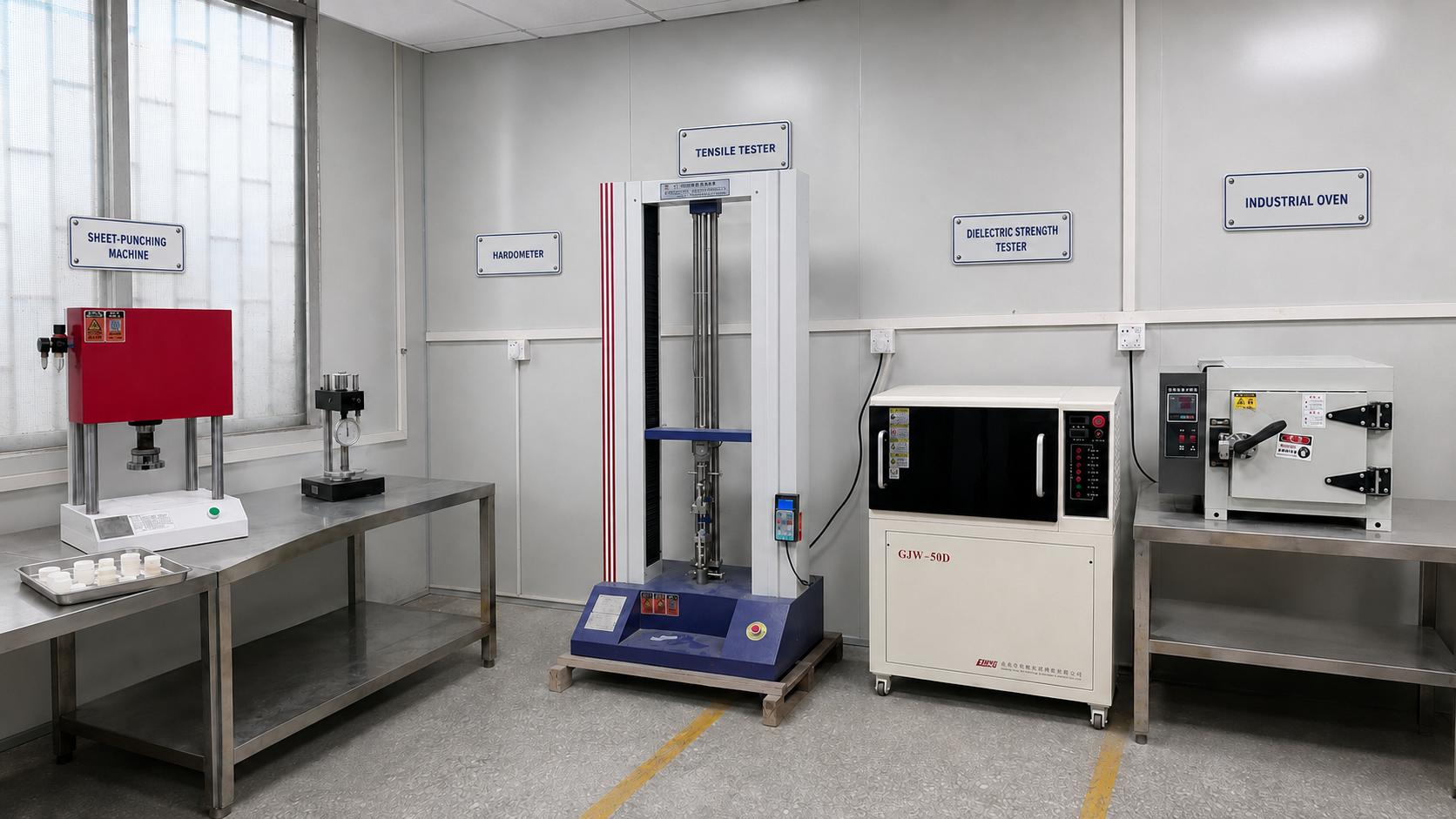
- Verified electrical insulation properties. Does the grade have documented hydrophobicity, dielectric strength, volume resistivity, tracking and erosion resistance, flame retardancy, and UV-aging resistance? These properties determine long-term service behavior under rain, pollution, and high electrical stress.
- Documentation and traceability. Are TDS, SDS, Typical COA, batch COA, and relevant test reports available? Traceability from raw material to finished batch helps you manage quality control and avoid rejected products.
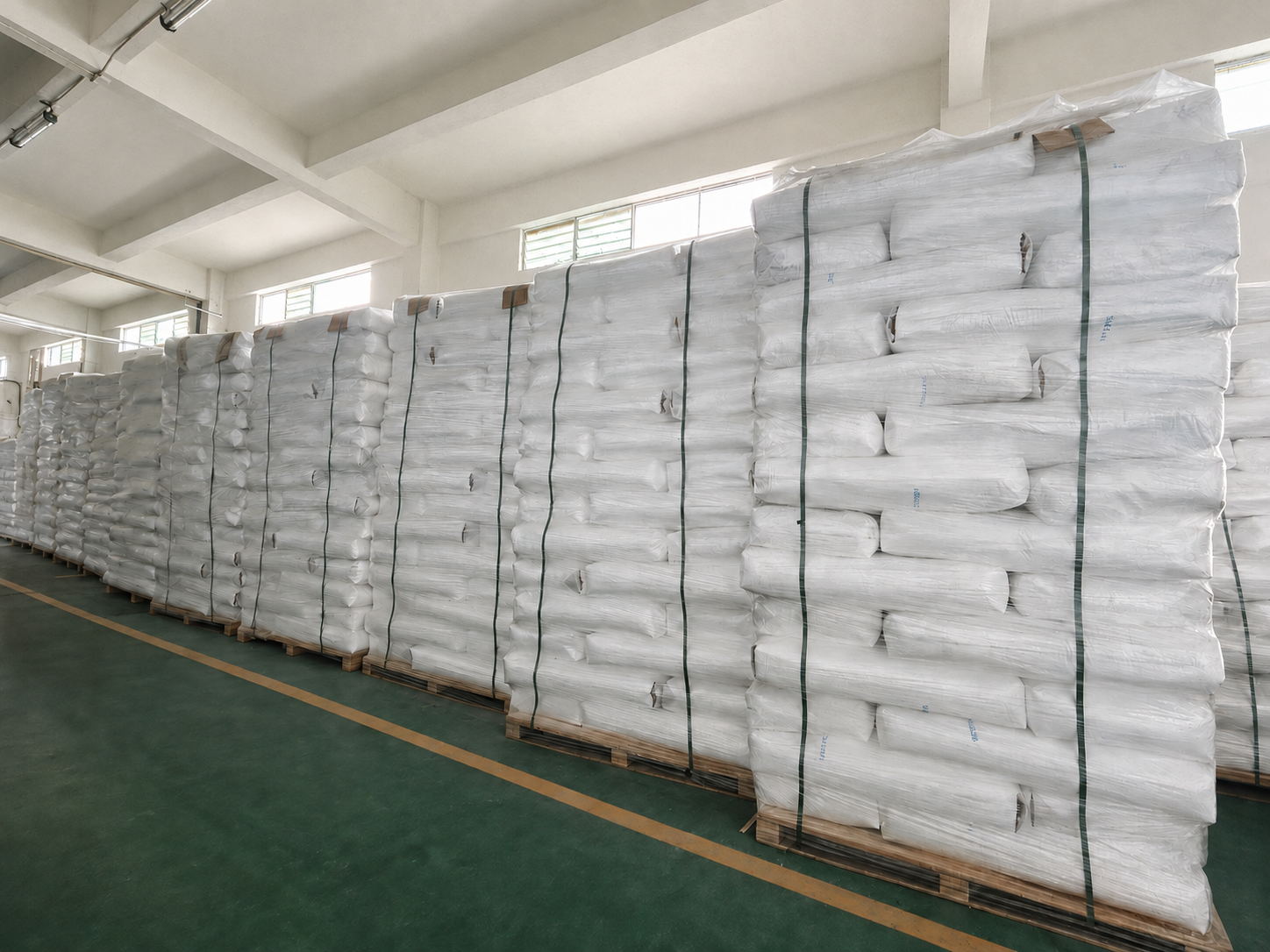
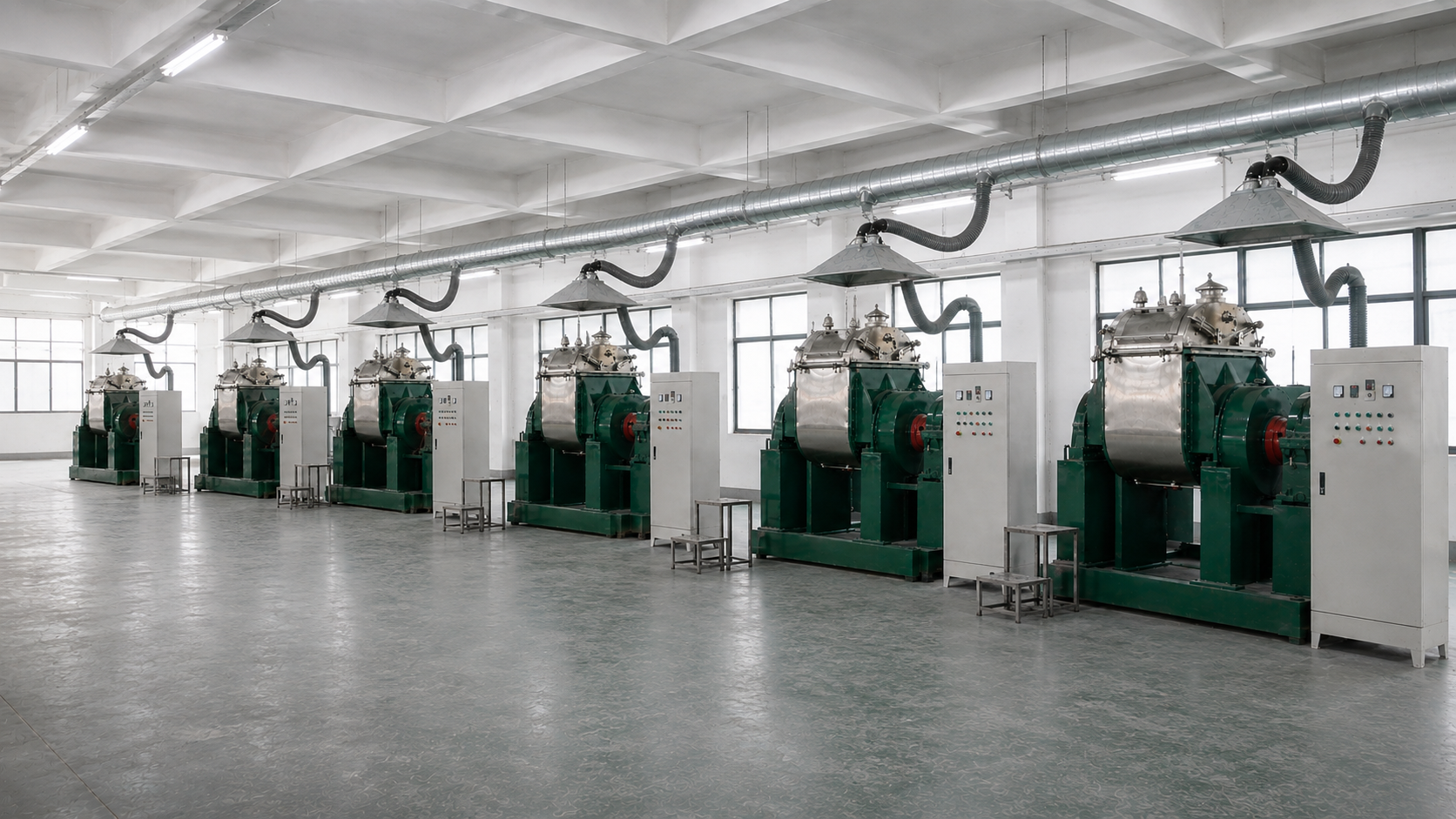
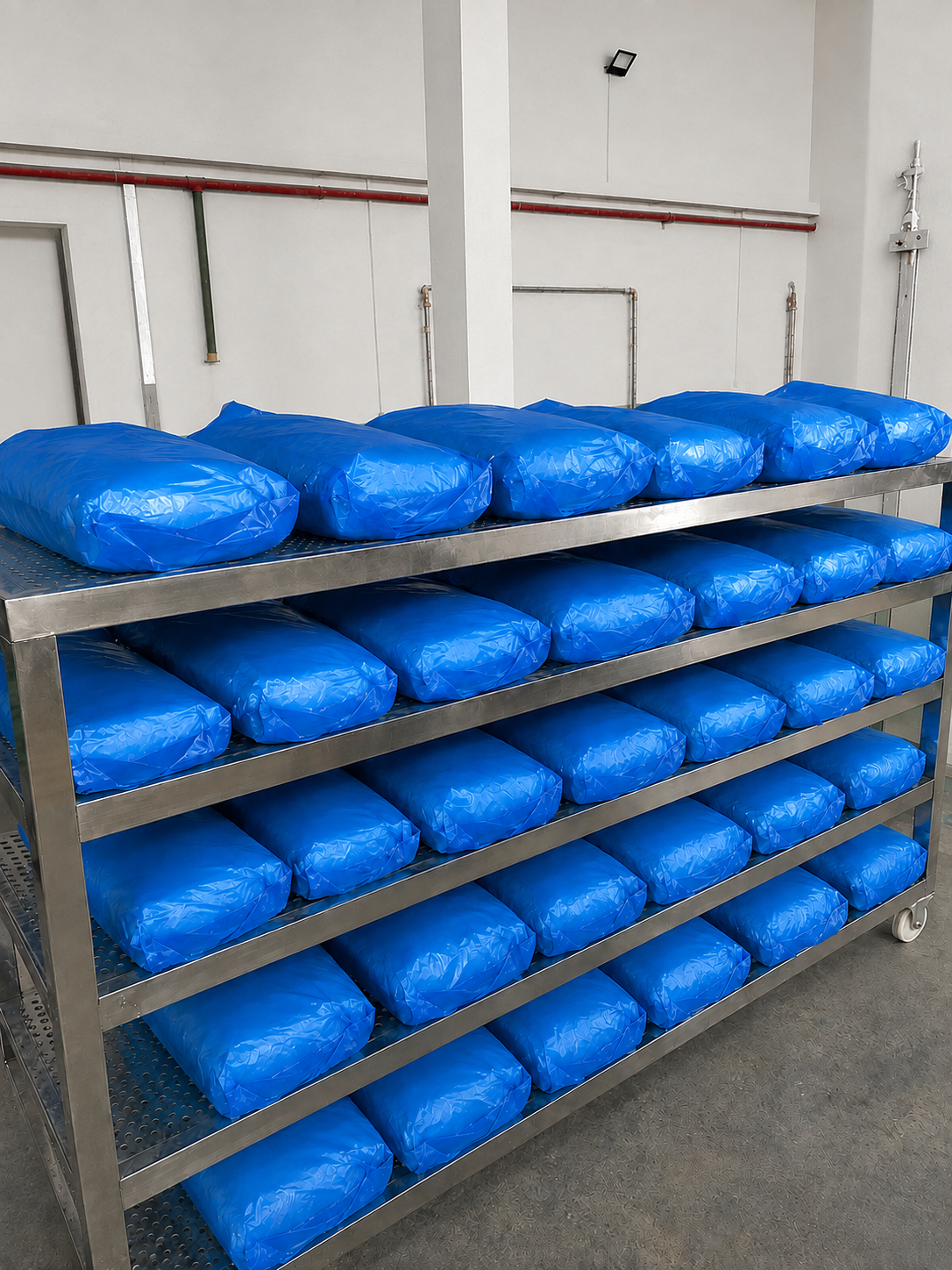
- Production capacity and batch consistency. Can the supplier support stable large-volume supply without drifting quality? For composite insulator production, large monthly volumes and repeatable batches are essential.
- After-sales technical support. Does the supplier provide formulation adjustment, troubleshooting, and batch traceability? Technical support becomes critical when you need to adjust curing conditions, mold filling, or bonding to the FRP core.
YAKOWS Customized HTV Silicone Rubber from Yakows Technology (Dongguan) Co., Ltd. is built around this logic. The company, established in 2020, operates a 5,000 m² facility with 50 employees and more than 10 engineers. It offers application-specific formulation development, so the compound can be tailored to your processing conditions and performance requirements. Its monthly production capacity ranges from 400,000 to 1,000,000 kg, with batch-to-batch quality controlled according to the agreed specification. The compound is designed for composite insulator manufacturers that need customized electrical insulation performance, stable processing, consistent quality, reliable bulk supply, and responsive technical support.
YK-3160 Electrical Insulation-Grade HTV Silicone Rubber
For outdoor composite insulators, Yakows developed YK-3160, a high-performance electrical insulation grade. Its key parameters include:
- Hardness: 65 ± 5 Shore A
- Specific gravity: 1.46 ± 0.03 g/cm³
- Elongation: ≥220%
- Tensile strength: ≥5.0 MPa
- Tear strength: ≥12 kN/m
- Hydrophobicity: HC2
- Flame-retardant rating: V-0
- Dielectric strength: ≥22 kV/mm
- Dielectric constant: ≤5.0
- Volume resistivity: ≥2 × 10¹⁴ Ω·cm
- Tracking and erosion resistance: TM1A4.5, ≤2.5 mm
- Dielectric loss tangent: ≤4.0 × 10⁻²
- UV aging resistance: Pass
Hydrophobicity reduces surface wetting and leakage current in polluted or humid environments. High dielectric strength and volume resistivity limit internal leakage current and withstand voltage stress. Tracking and erosion resistance prevents the formation of conductive paths on the housing surface, while UV resistance ensures stable dielectric and mechanical performance during long-term outdoor exposure. These properties are relevant because the silicone housing must protect the FRP core and maintain reliable insulation performance under rain, pollution, humidity, ultraviolet exposure, and electrical stress.
Documentation and Compliance
Before approval, buyers should request the grade-specific TDS, SDS, Typical COA, batch COA, and relevant electrical and mechanical test reports. Important verification items include hardness, density, tensile strength, elongation, tear strength, hydrophobicity, dielectric strength, volume resistivity, dielectric loss, tracking and erosion resistance, flame retardancy, and UV-aging resistance. Yakows is ISO 9001 certified. Applicable product grades are supported by FDA food-contact compliance documentation, LFGB test reports, REACH compliance documentation, and other certificates according to the intended application.
Cost versus Total Production Cost
A customized HTV may have a different unit price than a standard general-purpose grade. However, its stable processing performance can reduce production adjustments, material waste, trial costs, and the risk of rejected products. Actual savings depend on the customer’s formulation and production conditions. In other words, a lower unit price does not automatically mean a lower total cost. When you combine rejected-product risk, downtime for troubleshooting, and scrap material, a customized compound may provide a more predictable production economy.
After-Sales Support
YAKOWS Customized HTV Silicone Rubber includes formulation adjustment, technical consultation, batch traceability, and ongoing after-sales support. In contrast, standard materials generally require customers to adapt their own production processes to fixed specifications. This difference becomes visible when a new mold design, a different FRP core, or a stricter customer specification requires a material adjustment.
Step-by-Step Manufacturer Comparison Process
Follow these five steps to make a confident decision:
- Define your application and acceptance criteria. Identify the voltage class, outdoor environment, molding process, required hydrophobicity, tracking resistance, dielectric strength, mechanical properties, and applicable finished-insulator standards. Different voltage classes and pollution levels require different material performance.
- Shortlist manufacturers with electrical insulation experience. Look for suppliers that already serve the composite insulator industry and can provide electrical-test data, not just hardness and tensile values. Ask about their formulation capabilities, testing equipment, and quality-control procedures.
- Request technical documents and verify test reports. Ask for TDS, SDS, Typical COA, batch COA, and test reports covering dielectric strength, volume resistivity, tracking and erosion resistance, flame retardancy, and UV aging. Confirm that the documents come from the same grade you intend to buy.
- Run a production trial and finished-insulator testing. Evaluate the compound using your actual mold, FRP core, primer, curing conditions, and manufacturing process. Validate the finished insulator according to your applicable standards. A production trial reveals mold-filling behavior, curing speed, release properties, and bond quality that datasheets cannot show.
- Audit batch-to-batch consistency before full production. Confirm that every shipment meets the agreed specification and that the supplier can maintain stable supply for large-scale production. Check batch traceability and ask for batch COA with each delivery.
This process reduces risk because it focuses on evidence rather than marketing claims. It also helps you create a clear quality baseline for incoming material inspection.
Use Cases: Matching HTV Grades to Applications
HTV silicone rubber is used across several electrical and industrial applications. The comparison method remains the same, but the required properties differ.
Composite Insulators
For outdoor high-voltage composite insulators, use an electrical insulation-grade HTV such as YK-3160. It provides HC2 hydrophobicity, ≥22 kV/mm dielectric strength, high volume resistivity, V-0 flame retardancy, UV-aging resistance, and tracking and erosion resistance. These properties help protect the FRP core and maintain reliable insulation performance under rain, pollution, humidity, ultraviolet exposure, and electrical stress.
Hollow Core Insulators
Hollow core insulators used in apparatus applications share similar material requirements. The same evaluation criteria apply: hydrophobicity, dielectric performance, tracking resistance, and compatibility with the core and manufacturing process. A production trial using the actual core, primer, and curing conditions is recommended before mass production.
Cable Accessories
HTV silicone rubber for cable accessories requires high dielectric strength, flexibility, and stable processing. Yakows supplies HTV grades for cable accessories under its product portfolio. The material must withstand high electrical stress, moisture, and thermal cycling while maintaining stable mechanical properties.
Automotive and Industrial Components
Flame-retardant, high-tear, and fumed silica-reinforced HTV grades are used in automotive parts, gaskets, and industrial components. Selection should verify temperature resistance, compression set, chemical resistance, and relevant material specifications. For EV battery gaskets, HTV silicone is preferred because of its high crosslink density and dielectric endurance.
Food-Grade and Specialty Applications
Yakows also manufactures food-grade HTV silicone rubber for kitchenware and baking molds, as well as extrusion-grade HTV. If your project requires food-contact or specialty compliance, ask for FDA, LFGB, or REACH documentation according to the application.
Comparison: YAKOWS Customized HTV vs. Standard General-Purpose HTV
| Comparison criterion | YAKOWS Customized HTV Silicone Rubber | Standard General-Purpose HTV Silicone Rubber |
|---|---|---|
| Formulation development | Application-specific formulation based on processing and performance requirements | Fixed specifications with limited customization |
| Electrical/outdoor performance | Tested for hydrophobicity, dielectric strength, volume resistivity, tracking/erosion resistance, flame retardancy, UV aging (e.g., YK-3160) | Electrical and weathering performance may not be specifically optimized or verified for composite insulators |
| Supply stability | 400,000–1,000,000 kg/month, batch-to-batch quality according to agreed specification | Depends on supplier; batch consistency not always documented |
| Unit price vs. total cost | May differ in unit price, but stable processing can reduce production adjustments, waste, trial costs, and rejected-product risk | May appear cheaper per kilogram, but customers may need to adapt processes to fixed material, potentially increasing total costs |
| Documentation | TDS, SDS, Typical COA, batch COA, relevant test reports, ISO 9001 certified quality system | Basic datasheet only; electrical test reports may not be available |
| Technical support | Formulation adjustment, technical consultation, batch traceability, ongoing after-sales support | Standard materials generally require customers to handle process adaptation themselves |
The table is based on Yakows’ product and service descriptions for its customized HTV compounds.
Frequently Asked Questions
Which HTV silicone rubber manufacturer is better for composite insulators?
There is no universal 'best' without specifying application and test criteria. For outdoor high-voltage composite insulators, choose a manufacturer that provides an electrical insulation-grade compound with verified hydrophobicity, dielectric strength, volume resistivity, tracking and erosion resistance, flame retardancy, UV-aging resistance, and batch traceability. Yakows Technology (Dongguan) Co., Ltd. supplies YK-3160 with these properties. Final approval should include a production trial and finished-insulator testing according to the applicable voltage class and standards.
Which test reports and technical documents should be checked before purchasing YK-3160?
Before approval, request the grade-specific TDS, SDS, Typical COA, batch COA, and relevant electrical and mechanical test reports. Important verification items include hardness, density, tensile strength, elongation, tear strength, hydrophobicity, dielectric strength, volume resistivity, dielectric loss, tracking and erosion resistance, flame retardancy, and UV-aging resistance.
Should I choose standard general-purpose HTV silicone rubber or YK-3160 for composite insulator manufacturing?
YK-3160 is recommended for composite insulator housings. Unlike standard general-purpose HTV, it is formulated and tested for hydrophobicity, dielectric strength, volume resistivity, tracking and erosion resistance, flame retardancy, UV aging, and long-term outdoor electrical insulation. General-purpose grades are more suitable for ordinary molded products without demanding high-voltage insulation requirements.
Does a customized HTV silicone rubber compound cost more than a standard general-purpose grade?
A customized formulation may have a different unit price from a standard grade. However, its stable processing performance can reduce production adjustments, material waste, trial costs, and the risk of rejected products. Actual savings depend on your formulation and production conditions. Batch traceability and technical support are included with Yakows customized compounds.
How can I get a sample or start a qualification trial?
Contact Yakows Technology (Dongguan) Co., Ltd. at sales@yakows.com or by phone/WhatsApp at +86 13549310838. Tell them your application, voltage class, molding process, and required documentation. They can provide technical documentation, discuss a custom formulation, and arrange a sample for production trials.
Conclusion: Making an Evidence-Based Decision
Choosing the right HTV silicone rubber manufacturer is a decision based on evidence. Look beyond unit price and hardness. Verify electrical performance, documentation, consistency, and support. Yakows is positioned for composite insulator manufacturers that need customized, reliable HTV silicone rubber. For more details, download the company brochure: Yakows brochure (PDF). You can also visit yaksil.com.

Click the logo to download the Yakows brochure.
Have Questions or Need More Details?
Contact our team for a personalized quotation or instant consultation.
Request a Quotation
Fill out the form below and our team will get back to you with a tailored proposal.
WhatsApp Direct Chat
Prefer to chat in real-time? Message us on WhatsApp for instant assistance & quick answers.
- Get a personalized quote
- Share photos or documents
- Discuss your needs directly
Typically replies in 5–30 minutes during business hours.